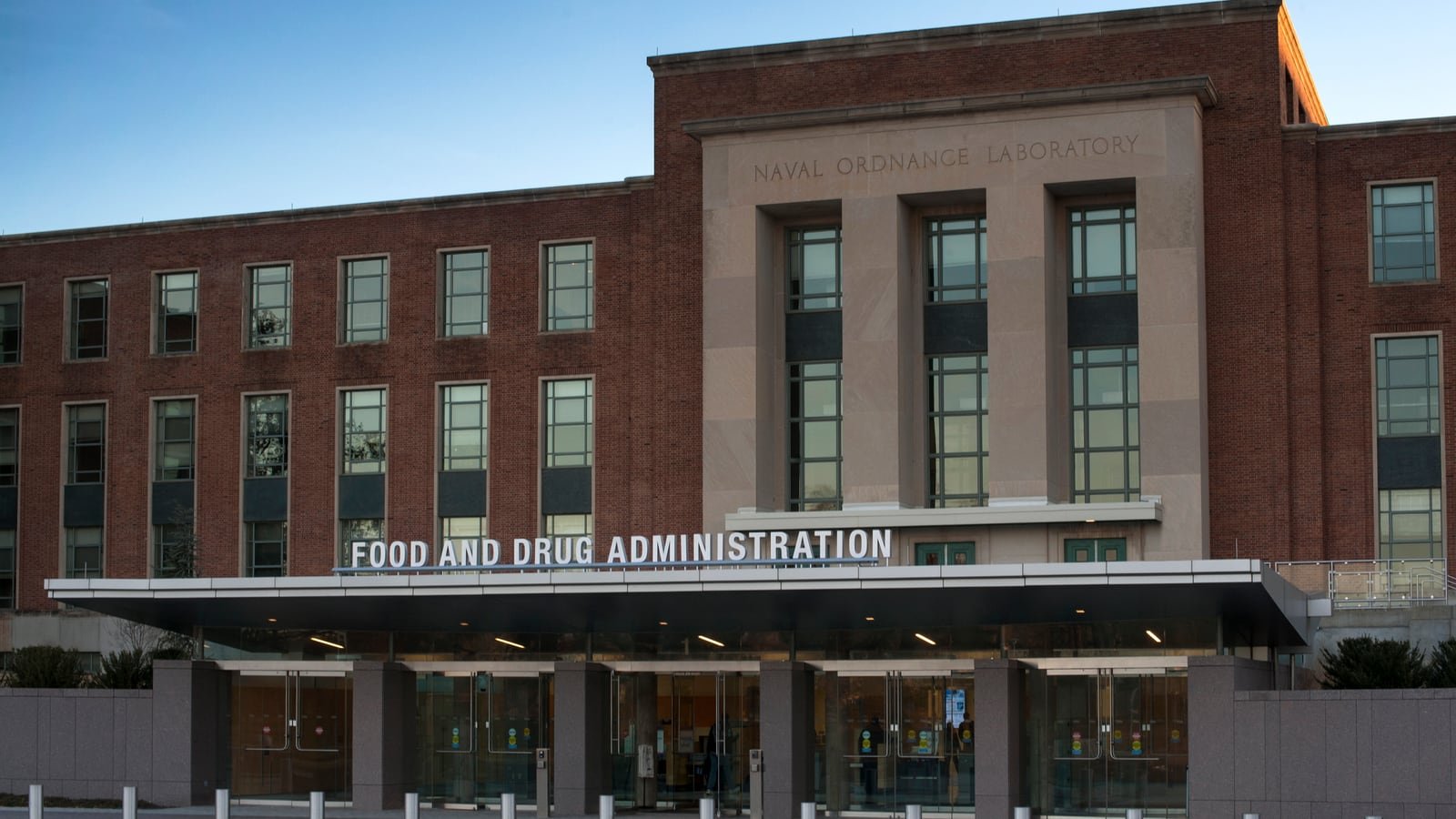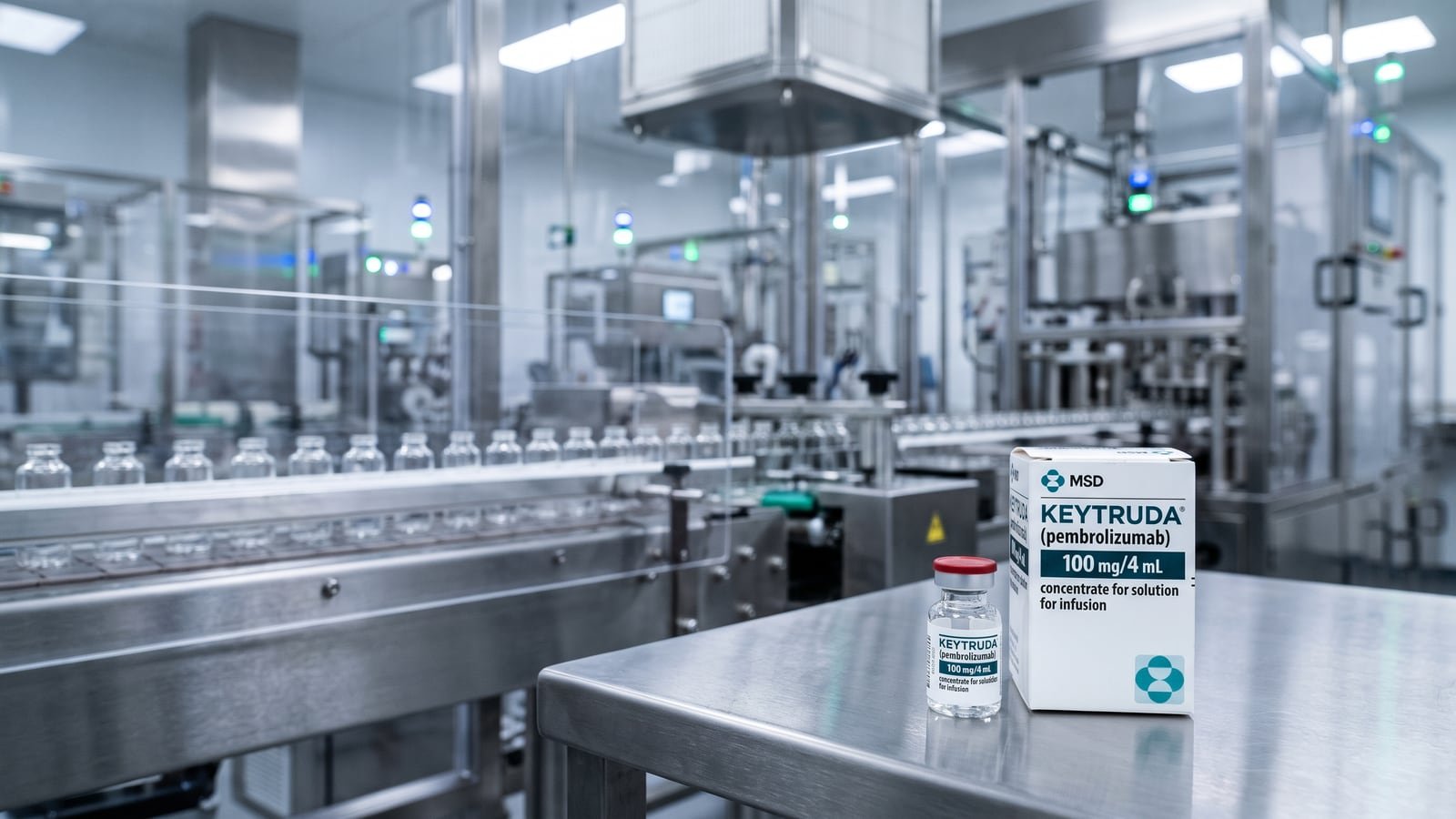

The US Food and Drug Administration approved Bayer's Sunharbo (asundexian) on 9 November 2026, the first Factor XIa inhibitor approved in the US. The once-daily 50 mg tablet is taken with antiplatelet therapy to lower the risk of another stroke in adults after a recent mild-to-moderate non-cardioembolic ischaemic stroke or a high-risk transient ischaemic attack (TIA).
The FDA announcement defines a non-cardioembolic stroke as one caused by a clot that did not start in the heart. Sunharbo is not approved for stroke prevention in people with atrial fibrillation. It is not yet approved in Ireland or the EU, where the European Medicines Agency is still reviewing it.
- Approval: FDA, 9 November 2026, for Bayer HealthCare Pharmaceuticals' Sunharbo (asundexian) 50 mg tablets, with Fast Track and Priority Review.
- Who it is for: adults after a recent mild-to-moderate non-cardioembolic ischaemic stroke or a high-risk TIA, used with antiplatelet therapy.
- Evidence: the Phase 3 OCEANIC-STROKE trial in 12,327 adults; ischaemic stroke in 6.2% with asundexian against 8.4% with placebo, a 26% relative reduction.
- Bleeding: major bleeding 1.9% against 1.7%; the FDA notes more major bleeding in people over 75 and in the first 90 days, and more gastrointestinal bleeding.
- Not for: atrial fibrillation. An earlier Phase 3 trial in atrial fibrillation did not succeed.
- Ireland and the EU: EMA review under way since June 2026; no EU approval yet. The trial had no Irish site on ClinicalTrials.gov.
What did the FDA approve?
The FDA approved Sunharbo to be used together with antiplatelet therapy to lower the risk of stroke in adults after a recent mild-to-moderate non-cardioembolic ischaemic stroke or a high-risk TIA, sometimes called a mini-stroke. The application had Fast Track and Priority Review designations. Bayer HealthCare Pharmaceuticals Inc. of Whippany, New Jersey, holds the approval.
Hylton V. Joffe, director of the FDA's Office of Cardiology, Hematology, Endocrinology, and Nephrology, said: "Today's approval represents a meaningful advance for patients and health care providers."
Existing oral anticoagulants such as rivaroxaban and apixaban block Factor Xa. Asundexian instead blocks Factor XIa, a different clotting protein. Factor XIa inhibitors are being developed in the hope of preventing clots with less effect on bleeding, and Sunharbo is the first of the class to reach the US market.
What did the OCEANIC-STROKE trial show?
OCEANIC-STROKE was a multicentre, randomised, double-blind, placebo-controlled Phase 3 study. It enrolled 12,327 adults within 72 hours of a non-cardioembolic ischaemic stroke with an NIH Stroke Scale score of 15 or less, or a high-risk TIA. Everyone also received antiplatelet therapy. The results were published in the New England Journal of Medicine on 15 April 2026.
| Measure | Result |
|---|---|
| Participants | 12,327 adults, randomised within 72 hours of symptom onset |
| Dose | Asundexian 50 mg once daily or placebo, both with antiplatelet therapy |
| Ischaemic stroke | 6.2% with asundexian against 8.4% with placebo (hazard ratio 0.74) |
| Relative reduction | 26%, over a median treatment of 14.2 months (FDA) |
| Major bleeding | 1.9% with asundexian against 1.7% with placebo (hazard ratio 1.10) |
| Median follow-up | 567 days (NEJM summary) |
| Most common side effect | Diarrhoea, in at least 3% of patients (FDA) |
What are the safety warnings?
Overall major bleeding was similar in both groups, but the FDA says it was higher with Sunharbo in patients older than 75 and during the first 90 days of treatment. Gastrointestinal bleeding was more common with Sunharbo than with placebo.
The FDA does not recommend Sunharbo with drugs that are both P-gp inducers and strong CYP3A4 inducers, such as carbamazepine, because they may make it less effective. It is not recommended in moderate or severe liver impairment. It should be withheld for at least 24 hours before elective surgery or invasive procedures, and for at least 24 hours after clot-busting thrombolysis for acute ischaemic stroke.
How much will it cost and when will it launch?
A Bayer spokesperson gave BioPharma Dive a US list price of $748.50 for a 30-day supply. MedCity News reported that Bayer plans to launch in mid-November 2026. China approved the drug first, in late October 2026, and reviews are ongoing in the EU and Japan, MedCity News said.
Competitors are behind but moving. Bristol Myers Squibb and Johnson & Johnson are testing milvexian, a twice-daily Factor XIa inhibitor, with Phase 3 secondary stroke prevention results expected by the end of 2026. Stefan Oelrich, head of Bayer's pharmaceuticals division, told analysts on the third-quarter call: "we believe that we have an extremely solid data set when it comes to secondary stroke prevention." See our milvexian compound page.
What does this mean for patients in Ireland?
Nothing changes yet for Irish patients. Sunharbo is not authorised in the EU. Pharmaphorum reported on 10 June 2026 that the EMA had validated Bayer's marketing authorisation application for adults after a non-cardioembolic ischaemic stroke or high-risk TIA, which starts the centralised review. No opinion from the EMA's medicines committee (CHMP) has been published. Any EU approval would also need a separate pricing and reimbursement decision before HSE patients could get it.
The ClinicalTrials.gov record for OCEANIC-STROKE (NCT05686070) lists sites in 37 countries, including the United Kingdom, but none in Ireland. The Irish Heart Foundation says "approximately 7,500 people in Ireland have a stroke" each year. Bayer's Irish headquarters is in Dublin; see our Bayer company page, and our apixaban and rivaroxaban pages for the Factor Xa medicines now in use.
Frequently asked questions
What is Sunharbo?
Sunharbo is the brand name of asundexian, a once-daily 50 mg tablet from Bayer that blocks the clotting protein Factor XIa. It is the first Factor XIa inhibitor approved by the FDA.
Who can take it in the US?
Adults after a recent mild-to-moderate non-cardioembolic ischaemic stroke or a high-risk TIA, together with antiplatelet therapy. It is not approved for atrial fibrillation.
Does it increase bleeding?
Overall major bleeding was similar to placebo in the trial, 1.9% against 1.7%. The FDA notes more major bleeding in people over 75 and in the first 90 days, and more gastrointestinal bleeding.
Is Sunharbo available in Ireland?
No. The EMA is reviewing it and there is no EU approval yet. This article is not medical advice; anyone who has had a stroke should not change medicines without speaking to their doctor.
Is it a replacement for apixaban or rivaroxaban?
No. It is approved for a different group of patients, people whose stroke was not caused by a clot from the heart, and it is not approved for atrial fibrillation, the main use of those drugs.
Outlook
The next steps are the US launch, which Bayer has put at mid-November, and an opinion from the EMA's CHMP on the EU application. Milvexian's Phase 3 stroke results, expected by the end of 2026, will show whether Sunharbo keeps the class to itself. Priya Life Science will report the EU decision when it comes.
Sources
- US Food and Drug Administration, FDA Approves First Factor XIa Inhibitor to Help Prevent Stroke in Certain Adults at High Risk, 9 November 2026
- American College of Cardiology, OCEANIC-STROKE: Asundexian Lowers Recurrent Stroke Risk in Patients With Noncardioembolic Stroke or TIA (summary of Sharma M et al, N Engl J Med, 15 April 2026, doi 10.1056/NEJMoa2513880)
- ClinicalTrials.gov, NCT05686070: OCEANIC-STROKE
- BioPharma Dive, Bayer wins FDA nod for a new kind of blood thinner, 9 November 2026
- MedCity News, FDA Approves First-in-Class Bayer Drug for Reducing the Risk of Stroke, 10 November 2026
- Pharmaphorum, Bayer's asundexian starts EU review for ischaemic stroke, 10 June 2026
- Irish Heart Foundation, Stroke Policy and Campaigning, accessed 12 November 2026
Cover image: Bayer HealthCare office building in the Wedding district of Berlin, Germany, photographed in March 2014. Photo: ChristianSchd, CC BY-SA 3.0, via Wikimedia Commons, cropped.