
Ireland's Budget 2027 allocates €29.1 billion to health services, the Department of Health announced on 7 October 2026. The total is €1.76 billion more than in 2026 and funds Surgical Hubs, evening and weekend care, community mental health services, a national shingles vaccination programme and a pilot for earlier access to new rare disease medicines.
- Total health allocation of €29.1 billion for 2027: €27.39 billion current spending and €1.72 billion capital.
- Current spending rises by €1.6 billion and capital by €160 million on 2026.
- A pilot scheme will support earlier access to new medicines for rare diseases.
- Phased introduction of a national shingles vaccination programme for eligible groups.
- Continued rollout of the HSE Health App, shared care records and ePrescribing, and progress on a first national Electronic Health Record.
1. How the €29.1 billion breaks down
The allocation was announced jointly by the Minister for Health, Jennifer Carroll MacNeill TD, the Minister for Mental Health, Mary Butler TD, the Minister for Public Health, Wellbeing and the National Drug Strategy, Jennifer Murnane O'Connor TD, and the Minister for Older People, Kieran O'Donnell TD.
Most of the money is day-to-day (current) spending. The Department says the funding is aimed at more timely care at home, in the community and in hospitals, including fuller use of theatres, outpatient clinics and diagnostic equipment in the evenings and at weekends.
| Item | 2027 allocation |
|---|---|
| Total health allocation | €29.1 billion |
| Current expenditure | €27.39 billion (up €1.6 billion on 2026) |
| Capital investment | €1.72 billion (up €160 million on 2026) |
| Additional funding in total | €1.76 billion |
| Meals on Wheels | €2 million more |
| Home-support hours | 1.8 million additional hours |
2. What it means for medicines, vaccines and digital health
For readers in the pharmaceutical and life-science sector, three measures stand out. First, Budget 2027 will fund a pilot scheme to support earlier access to new medicines for rare diseases. The release does not give the size of the pilot, the medicines covered or how it will work alongside the existing reimbursement process; those details were not disclosed.
Second, the budget begins the phased introduction of a national shingles vaccination programme for eligible cohorts, which the Department says should help reduce illness and complications. The eligible groups and start date were not set out in the release.
Third, digital health continues: the HSE Health App, shared care records and ePrescribing will keep rolling out, alongside progress on Ireland's first national Electronic Health Record. Virtual care will grow in all six Health Regions, with an additional virtual care option in each Region intended to reach patients earlier and avoid some Emergency Department visits and hospital admissions.
The budget also funds implementation of the new National Drugs Strategy, extends free contraception eligibility from age 35 to 37, and supports home STI testing, the HIV Action Plan and Tobacco Free Ireland 2035.
3. Hospitals, surgery and the workforce
Surgical Hubs will expand with additional theatres and six-day operations. More planned care will run in the evenings and at weekends across theatres, outpatient clinics and diagnostics, which the Department describes as making better use of existing staff, facilities and equipment. Additional hospital, community and mental health capacity will be opened.
Minister Carroll MacNeill said:
"Budget 2027 is about helping people in the here and now, while planning for the future. It builds on the progress made across our public health service in recent years. This €29.1 billion allocation is focused on what matters most to patients: earlier access, more care closer to home and better use of our staff, facilities and equipment."
On staffing, the budget supports the continued expansion of domestic healthcare training towards approximately 1,100 additional places by 2028, including nursing and midwifery, medicine, health and social care professions and GP training. The Minister said the budget would align "the workforce with patient demand, reducing reliance on agency staffing".
Cancer monitoring and follow-up will move from acute hospitals into community settings where clinically appropriate, supported by the National Cancer Control Programme and the six Health Regions. The National Ambulance Service will also receive additional investment, and general practice reform funding focuses on more equal access to GP out-of-hours services.
4. Mental health and older people
The Suicide Crisis Assessment Nurse programme will extend to every county, with two new rural Crisis Resolution Teams and six additional out-of-hours "Solace" peer-support cafés. Four new "Jigsaw" youth mental health services will extend coverage to 135,000 young people across six counties, and 40 additional clinicians will staff a new ADHD pathway and enhanced MHID capacity in CAMHS.
Minister Butler said:
"Budget 2027 will significantly strengthen crisis care by investing in community-based services, making support more accessible to people in distress when they need it most."
For older people, the budget provides 1.8 million additional home-support hours, €2 million more for Meals on Wheels, and further investment in dementia services. Funding for the Nursing Home Support Scheme will cover inflationary and statutory cost pressures and support 500 additional people. Minister O'Donnell said the funding "will help people to age well, live independently and remain connected to their communities."
Children's oral health also gets attention, with action to reduce waiting lists in the School Dental Programme and improve access to orthodontic and more complex dental treatment.
5. The €1.72 billion capital programme
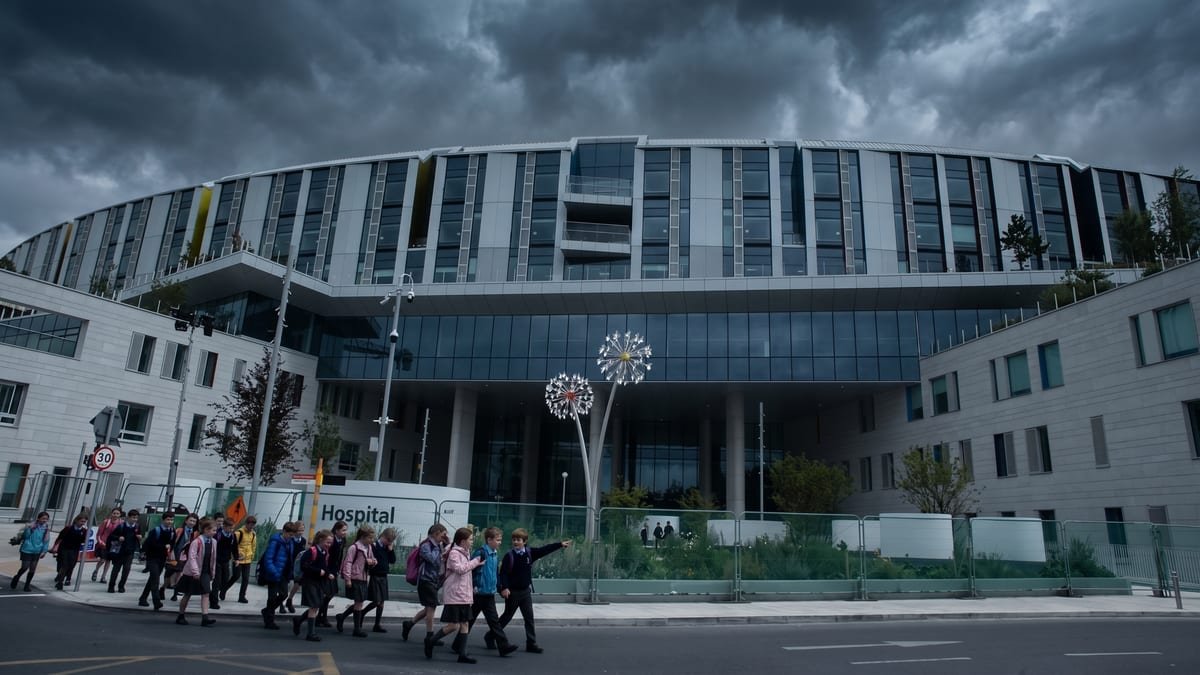
Capital funding will go towards modern facilities, additional capacity and upgraded equipment. Named projects include the National Children's Hospital Ireland, the relocation of the National Maternity Hospital, Surgical Hubs, Elective Treatment Centres, a Perinatal Mother and Baby Unit, Adult Eating Disorder Regional Centres, and further community and acute hospital beds, including new beds in Community Nursing Units.
Frequently asked questions
How much is the health budget for 2027 in Ireland?
The total health allocation for 2027 is €29.1 billion, made up of €27.39 billion in current expenditure and €1.72 billion in capital investment, according to the Department of Health.
How much more is that than in 2026?
The release puts the additional funding at €1.76 billion: current spending is up €1.6 billion and capital spending is up €160 million on 2026.
Does Budget 2027 include anything for new medicines?
Yes. It funds a pilot scheme to support earlier access to new medicines for rare diseases, and the phased introduction of a national shingles vaccination programme for eligible cohorts. Details of the pilot were not disclosed in the release.
Which ministers announced the health budget?
Jennifer Carroll MacNeill TD (Health), Mary Butler TD (Mental Health), Jennifer Murnane O'Connor TD (Public Health, Wellbeing and the National Drug Strategy) and Kieran O'Donnell TD (Older People).
Outlook
The measures with the most direct relevance to the medicines sector, the rare disease access pilot and the shingles programme, still need operational detail: eligibility, budget lines and timelines. We will follow up when the Department of Health or the HSE publishes them. Medicine supply in Europe can be followed on our EU medicine shortages tracker, and Irish and EU approvals on our data trackers.
Sources
- Department of Health, Budget 2027 delivers €29.1 billion for health services as Government continues investment in more care, closer to home, press release, 7 October 2026.
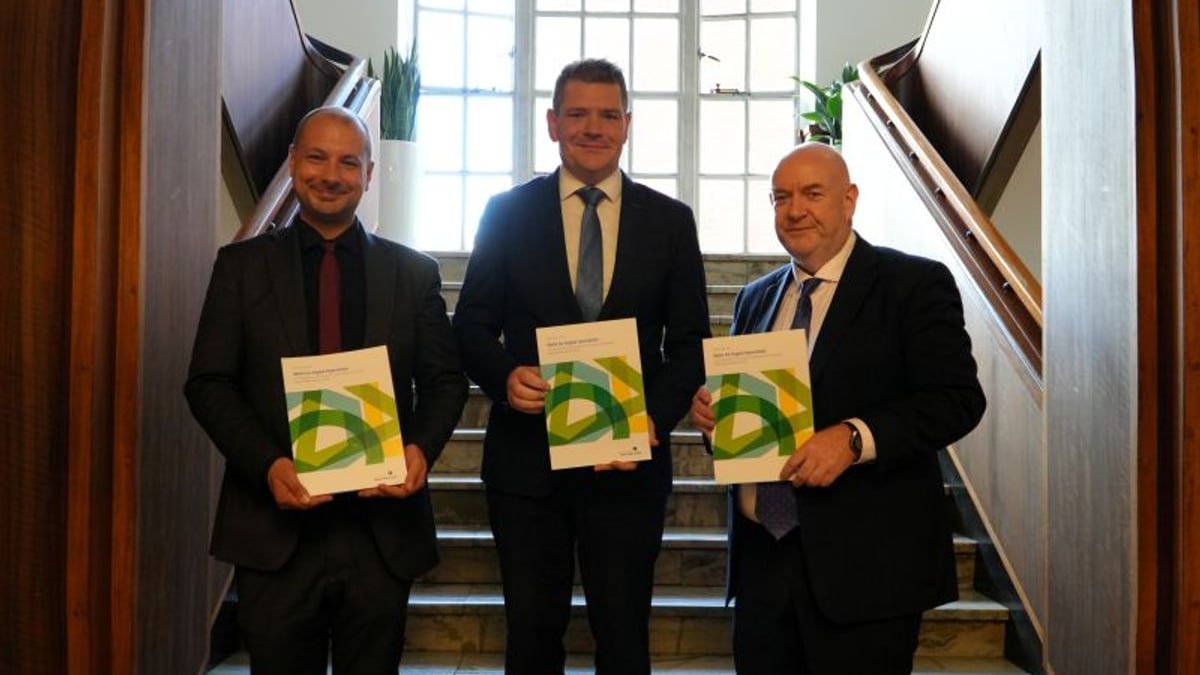
- Header image: illustration of budget documents. It is not a photograph of an official Government publication.