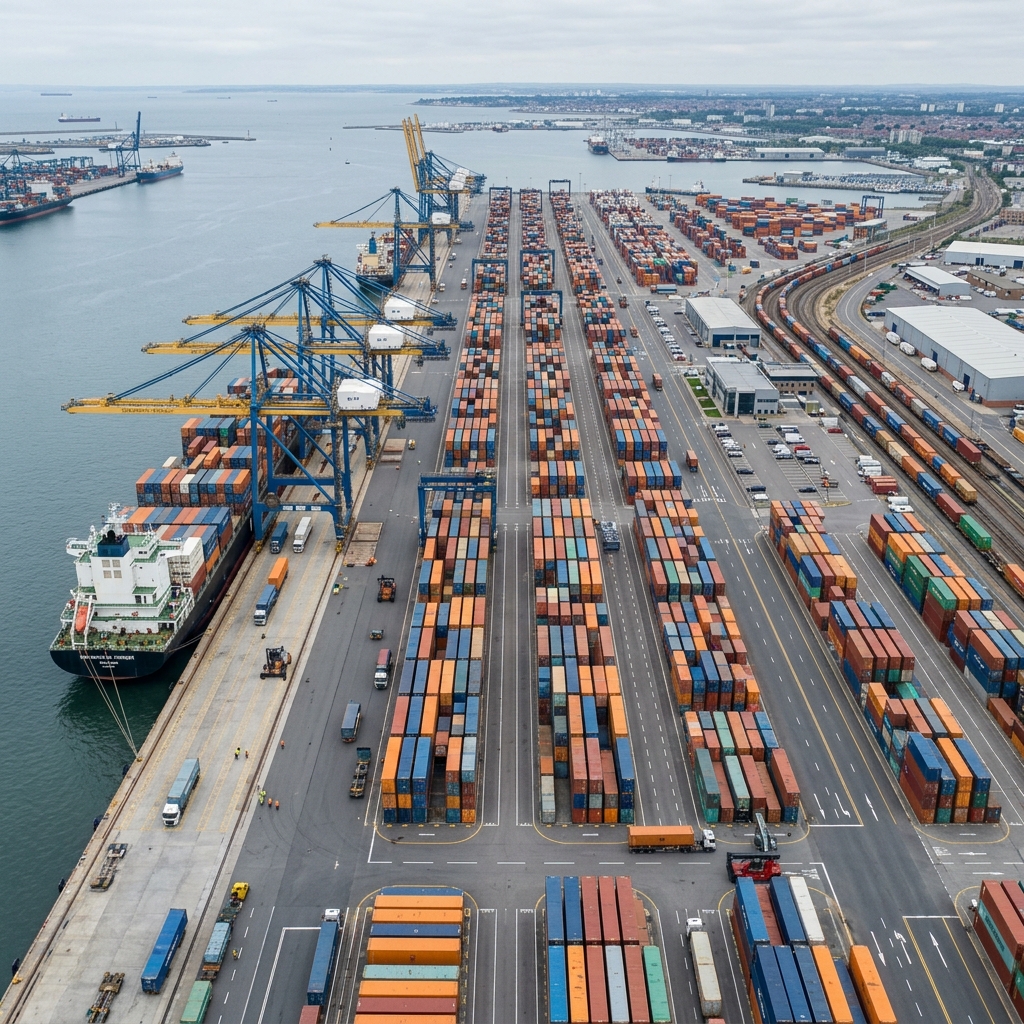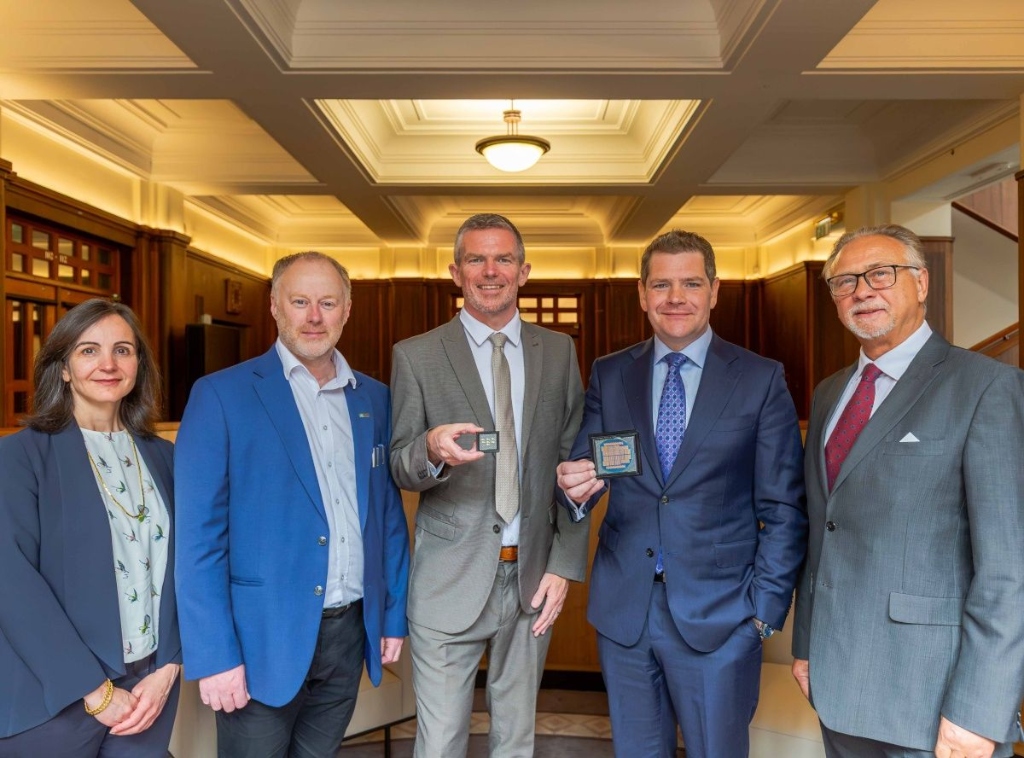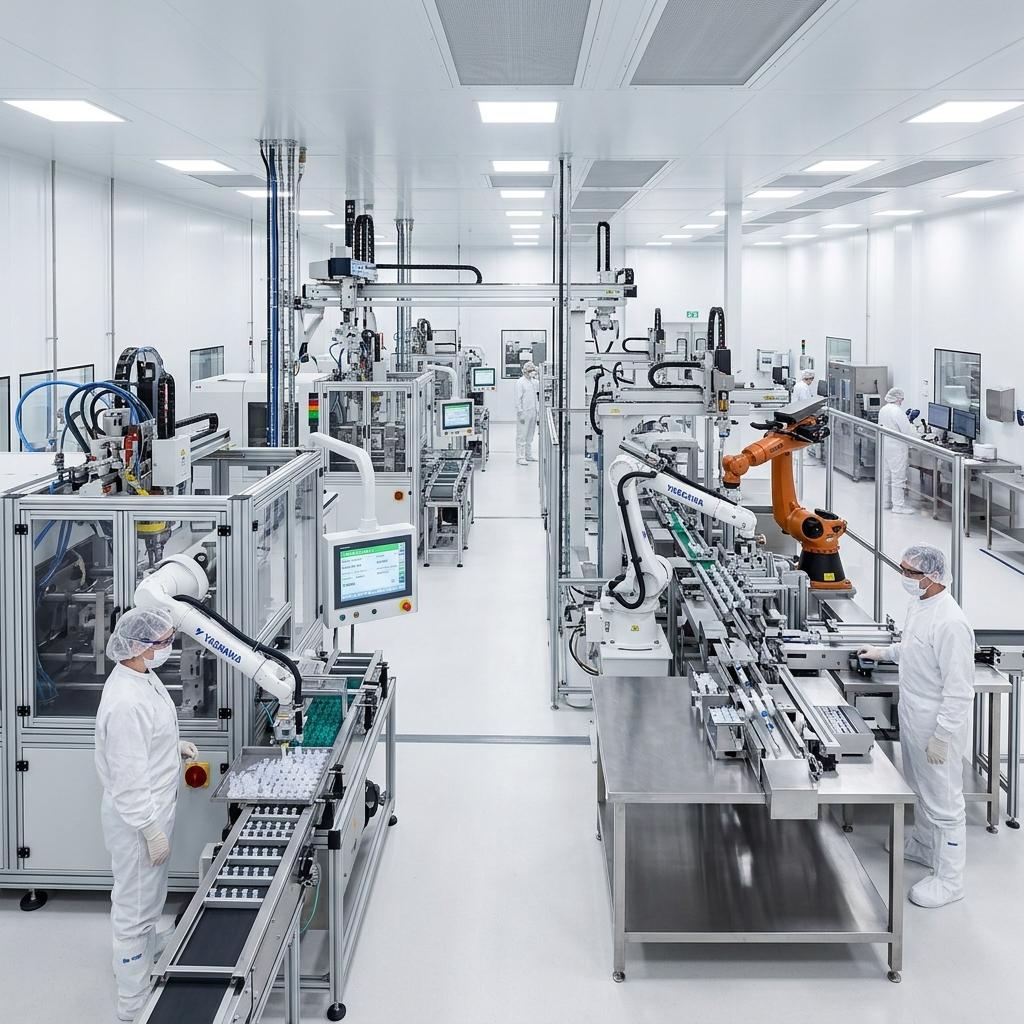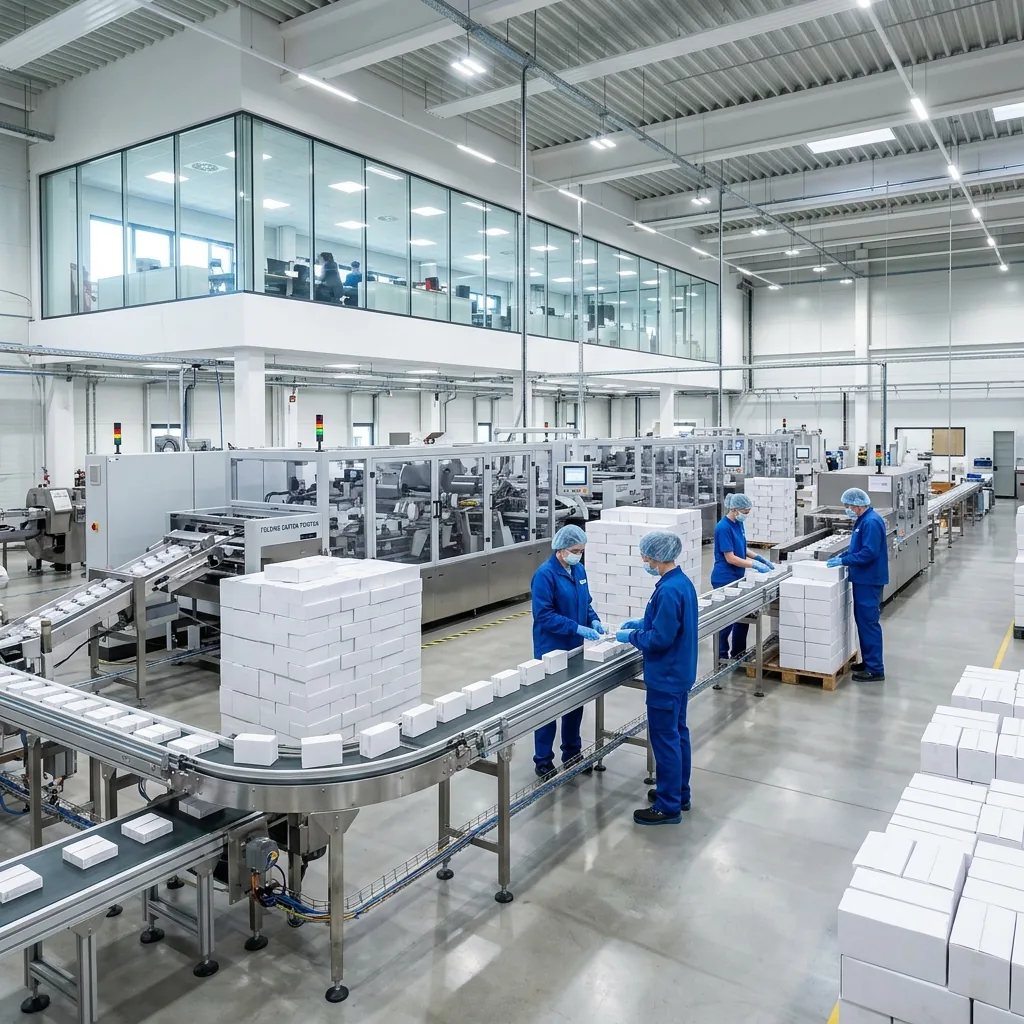

Over the past five decades, Ireland has executed one of the most successful economic transformations in modern history. Shifting from a predominantly agricultural economy in the mid-20th century to Europe’s second-largest exporter of medicinal and pharmaceutical products, the island nation now stands at the absolute center of the global pharmaceutical supply chain. With annual biopharma exports exceeding €100 billion and hosting manufacturing operations for 19 of the world’s top 20 pharmaceutical corporations, Ireland has cemented its position as a global manufacturing node.
This success is neither accidental nor easily replicated. It is the product of a highly coordinated national policy framework combining fiscal stability, strategic infrastructure investments, a world-class bioprocess training ecosystem (NIBRT), and an exceptionally high level of trust from global regulatory authorities such as the US FDA and the European Medicines Agency (EMA).
1. The Historical Blueprint: Five Decades of Targeted Industrial Strategy
The foundation of Ireland's pharmaceutical dominance was laid in the late 1960s. Recognizing that the country lacked heavy raw materials, the Industrial Development Agency (IDA Ireland) identified high-value, light-weight, tech-intensive manufacturing as the optimal vector for economic growth. Early pioneers like Pfizer (Ringaskiddy, Cork) and Eli Lilly established chemical synthesis plants in the 1970s, proving that Ireland could deliver high-yield active pharmaceutical ingredients (APIs) reliably.
Crucially, successive Irish governments maintained complete bipartisan alignment regarding foreign direct investment (FDI). Regardless of political coalitions, the commitments to life sciences infrastructure, low regulatory friction, and long-term tax clarity remained unchanged. This political consistency allowed multinational pharmaceutical leadership to commit to 10-to-20-year capital expenditure cycles with total confidence.
2. The Fiscal Framework: 12.5% Tax Rate, R&D Credits, and Treaty Protection
While low corporate taxes are often discussed in isolation, Ireland’s financial attraction is multi-layered. The baseline 12.5% corporate tax rate on trading income is paired with a highly attractive 30% Research and Development (R&D) tax credit. This credit applies directly against corporate tax liabilities, allowing firms to recover substantial capital spent on clinical trial management, scale-up validation, and process engineering improvements.
Furthermore, Ireland’s network of over 70 comprehensive double-taxation treaties ensures that profits generated in Irish manufacturing plants can be repatriated or reinvested efficiently. For global CFOs managing complex supply chain capital, Ireland provides unmatched financial predictability.
"Industrial clustering in Ireland creates a unique operational ecosystem. Proximity between universities, CDMOs, equipment suppliers, and regulatory bodies converts potential supply chain delays into real-time collaborative problem solving."
3. Educational Synergy and the NIBRT Effect
High-tech biopharmaceutical manufacturing requires a specialized workforce. Ireland boasts one of the youngest and most university-educated workforces in the European Union, with over 50% of 25-to-34-year-olds holding a tertiary degree. Universities such as University College Dublin (UCD), Trinity College Dublin (TCD), University College Cork (UCC), and University of Galway work directly with industry bodies to tailor degree modules in biotechnology, chemical engineering, and regulatory affairs.
The National Institute for Bioprocessing Research and Training (NIBRT)
The centerpiece of Ireland's educational infrastructure is NIBRT, located on the UCD campus in Dublin. Built as a state-of-the-art, 6,500 m² simulated GMP manufacturing plant, NIBRT allows scientists, operators, and quality assurance officers to train on industrial-scale bioreactors, chromatography columns, and fill-finish lines in an environment that mirrors real manufacturing conditions. NIBRT’s curriculum is now licensed globally, cementing Ireland's role as the world's bioprocessing university.
4. Regulatory Trust: HPRA, EMA, and US FDA Alignment
Quality compliance is the ultimate currency in pharmaceutical manufacturing. The Health Products Regulatory Authority (HPRA) acts as Ireland's national competent authority. Recognized globally for its rigor, consistency, and collaborative inspection models, the HPRA ensures that Irish sites adhere to stringent EudraLex Volume 4 (EU GMP) standards.
Because Ireland is an EU member state and operates under European Medicines Agency (EMA) oversight, products manufactured in Ireland benefit from Mutual Recognition Agreements (MRAs) with the US FDA, Japan's PMDA, and Health Canada. A drug batch released by an Irish Qualified Person (QP) can enter global distribution channels with minimal secondary regulatory inspection.
5. The Shift to Biologics, Cell & Gene Therapy (CGT), and Pharma 4.0
While Ireland built its early reputation on small-molecule chemical APIs, the past 15 years have seen a massive capital pivot toward **large-molecule biopharmaceuticals**. Over €12 billion has been invested in new cell culture, monoclonal antibody (mAb), recombinant protein, and vaccine plants across Cork, Dublin, Waterford, and Sligo.
Today, Ireland is actively positioning itself for the next technological wave:
- Cell & Gene Therapy (CGT): Developing specialized cleanroom suites and cryo-logistics networks for personalized autologous and allogeneic therapies.
- Pharma 4.0 & Digitalization: Integrating artificial intelligence, continuous manufacturing, real-time release testing (RTRT), and predictive digital twins to eliminate batch failures.
- Green & Sustainable Manufacturing: Transitioning facilities to 100% wind energy, zero-waste-to-landfill protocols, and closed-loop water recovery to meet strict EU Net-Zero mandates.
6. The CDMO & CRO Ecosystem: Strategic Outsourcing in Ireland
Alongside multinational big pharma facilities, Ireland hosts a dense, highly specialized network of Contract Development and Manufacturing Organizations (CDMOs) and Contract Research Organizations (CROs). These firms provide vital, flexible capacity for global drug developers:
- Early-Phase Formulation & Clinical Trial Supply: Rapid compounding and small-batch sterile fill-finish for Phase I–III trials.
- Commercial Scale-Up & Tech Transfer: Seamless transfer of analytical methods and manufacturing protocols from university labs to commercial plants.
- Analytical Testing & Stability Storage: Dedicated ICH-compliant storage suites and release testing for global product launches.
Evaluating Ireland for Your CDMO, CRO, or Manufacturing Supply Chain?
Finding the right contract manufacturer or clinical partner in Ireland from abroad can take weeks of cold outreach without knowing real site capacity or dosage-form compatibility. Priya Life Science acts as your independent, on-the-ground partner in Ireland: shortlisting vetted Irish CDMOs/CROs, facilitating qualified executive introductions, and coordinating independent pre-contract facility assessments.
Start an Independent Sourcing Enquiry →Frequently Asked Questions (FAQs)
1. Why is Ireland such a major center for pharmaceutical manufacturing?
Ireland combines a stable 12.5% corporate tax rate and 30% R&D tax credit with a highly educated STEM workforce, world-class training at NIBRT, and regulatory alignment with the FDA and EMA.
2. Which major pharmaceutical companies manufacture in Ireland?
Nineteen of the top twenty global biopharma companies operate plants in Ireland, including Pfizer, Eli Lilly, Novartis, Roche, Merck, AbbVie, Bristol Myers Squibb, Sanofi, and Johnson & Johnson.
3. What role does NIBRT play in Irish biopharmaceutical success?
NIBRT provides hands-on, pilot-plant training for biopharma technicians and engineers, reducing onboarding time and ensuring immediate GMP readiness for new facility startups.
4. How does the HPRA ensure regulatory compliance for Irish-made drugs?
The HPRA enforces EU GMP standards and works closely with global bodies like the US FDA and EMA, allowing Irish-produced drugs to clear international customs efficiently.
5. What is the difference between a CDMO and a CRO in Ireland?
A CDMO (Contract Development and Manufacturing Organization) manufactures drug products, active ingredients, or fill-finish vials. A CRO (Contract Research Organization) executes clinical trials, laboratory analytics, and bioanalytical studies.
6. Can international sponsors get assistance with finding an Irish CDMO?
Yes. Through services like Priya Life Science's CDMO Sourcing Service, foreign biotech and pharma companies can shortlist vetted Irish facilities, make executive contacts, and coordinate pre-contract site audits.
References & Regulatory Citations
- IDA Ireland Life Sciences Report (2026): Comprehensive data on pharmaceutical exports, capital expenditure, and foreign direct investment trends in Ireland.
- HPRA (Health Products Regulatory Authority): Official guidelines on GMP inspections, licensing, and Qualified Person (QP) release protocols.
- NIBRT (National Institute for Bioprocessing Research and Training): Bioprocess skill gap analyses and global training curriculum benchmarks.
- Central Statistics Office (CSO Ireland): Industrial production indices and export trade values for medicinal and pharmaceutical products.