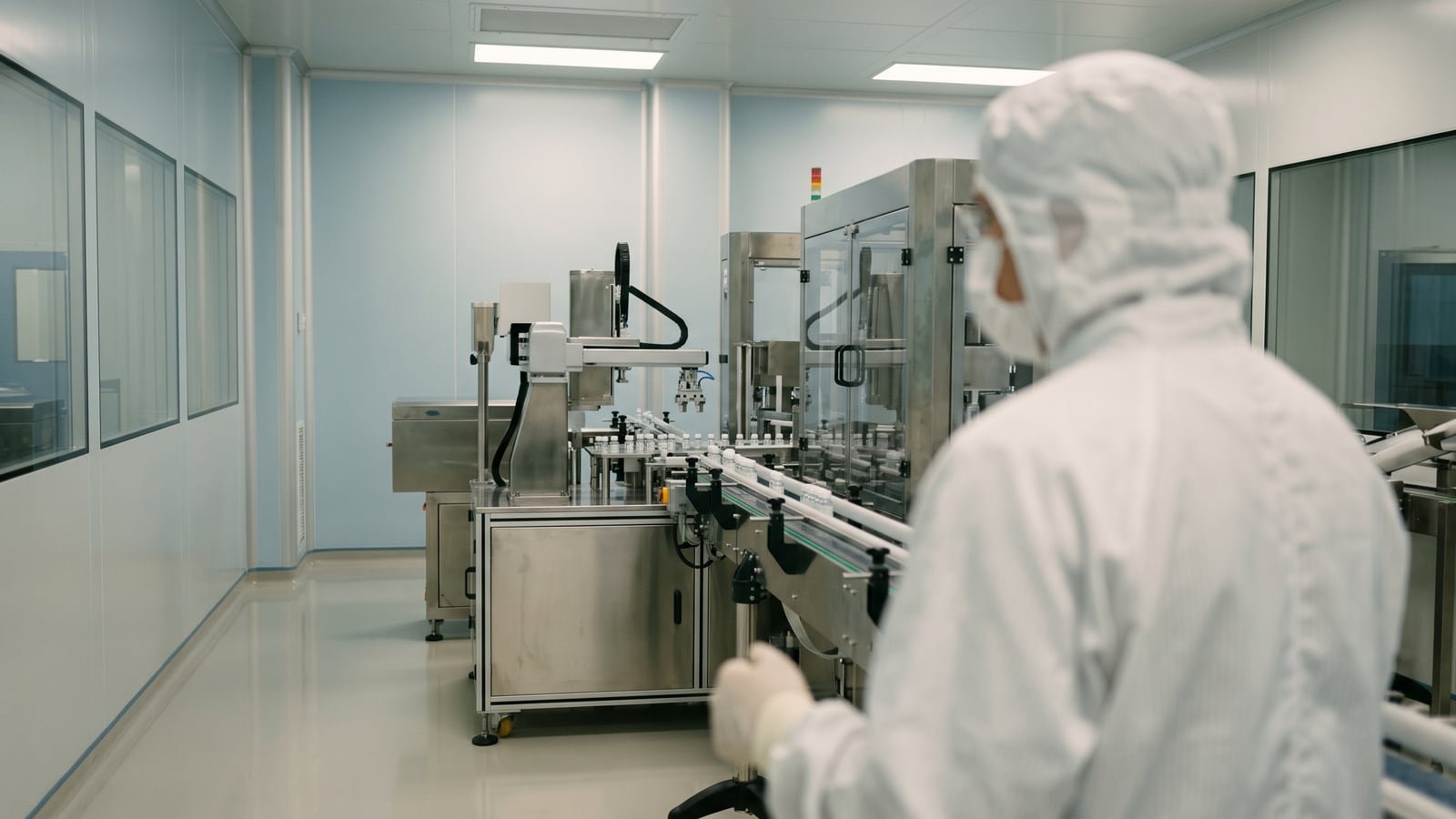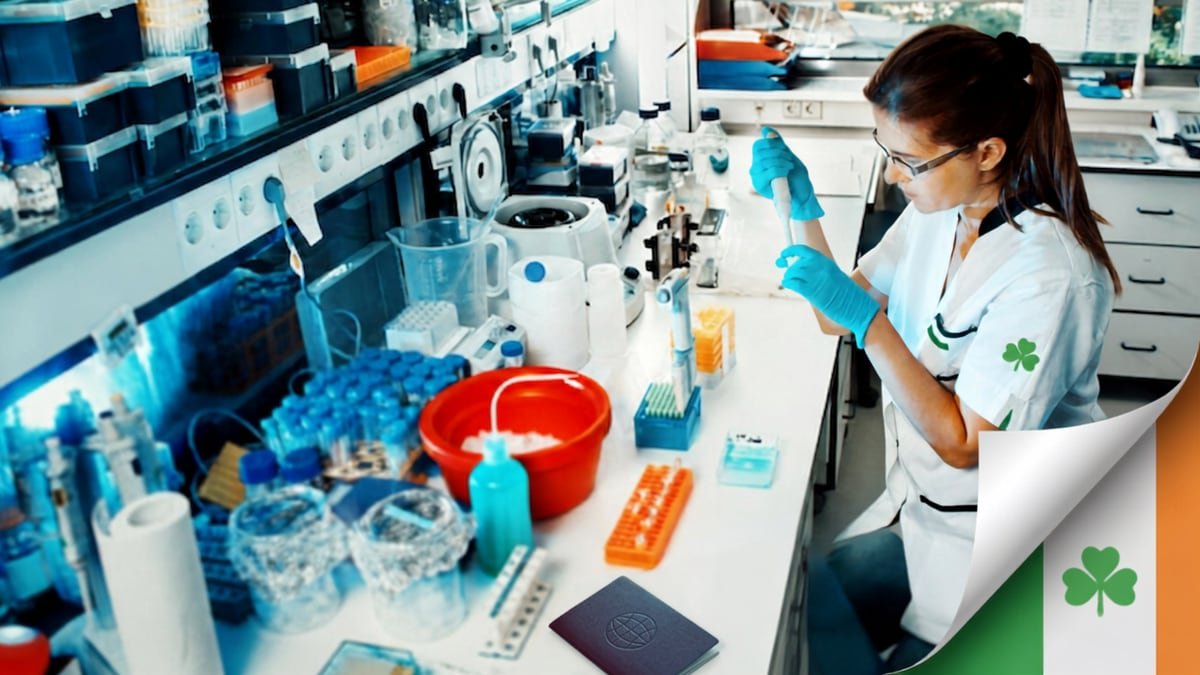

For more than four decades, Ireland has operated as one of the world's most successful manufacturing bases for the global pharmaceutical and medical technology sectors. If a blockbuster drug is prescribed in New York, Tokyo, or Berlin, there is a high probability it was manufactured in Ringaskiddy, Grange Castle, or Raheen. However, in 2026, the structural dynamics of global healthcare have shifted. Low-cost generic competition, supply-chain localization policies in the US and EU, and the rise of highly complex advanced therapeutics (ATMPs) have forced a strategic pivot.
The Irish government's National Life Science Innovation Strategy (2026) formalizes this transition. Ireland is shifting its core value proposition from being a high-efficiency manufacturing powerhouse to becoming an R&D-led, end-to-end innovation cluster. This strategy represents a massive economic opportunity, but it also brings acute operational challenges that Irish pharmaceutical and MedTech leaders must address immediately.
This deep-dive analysis details the core pillars of the 2026 Strategy, the three primary bottlenecks facing Irish operations, the transition to Advanced Therapy Medicinal Products (ATMPs), and the digital-first compliance infrastructure required to manage R&D knowledge pipelines securely.
- The National Life Science Innovation Strategy 2026: Vision and Pillars
- Transitioning from pure scale manufacturing to R&D-driven product development
- The acute talent shortage in bioinformatics, process development, and regulatory science
- Specialised R&D infrastructure deficits: lab space, cleanrooms, and high-performance computing
- Advanced therapeutics (mRNA, Cell & Gene Therapy) as the new frontier for Irish facilities
- Bridging the IT-Pharma Gap: R&D data management and data integrity in non-clinical environments
- Priya LifePDF: How private, secure digital tools accelerate protocol validation and regulatory readiness
The National Life Science Innovation Strategy 2026: The Strategic Roadmap
The National Life Science Innovation Strategy, published jointly by the Department of Enterprise, Trade and Employment, IDA Ireland, and Science Foundation Ireland (SFI), outlines a clear vision: By 2030, Ireland will rank in the top tier of global locations for life science R&D intensity, matching its established dominance in manufacturing volumes. The strategy is built around four central pillars designed to transition the ecosystem from execution to creation.
| Strategic Pillar | Key Objective | Target Metrics (by 2030) |
|---|---|---|
| 1. R&D Infrastructure Expansion | Funding and establishing shared-use laboratories, incubation hubs, and translation centers for early-stage therapeutic development. | +120,000 sq. ft. of dedicated wet-lab incubator space across Dublin, Galway, and Cork. |
| 2. ATMP Scale-up | Equipping Irish sites to handle clinical trials and commercial manufacturing of Cell, Gene, and RNA-based therapies. | Establishing the National Bioprocessing Research and Training Institute (NIBRT) Phase 3 expansion for cell therapy validation. |
| 3. Digital-First Quality & Systems | Transitioning clinical trials, lab data, and process documentation from hybrid paper systems to fully validated digital environments. | 100% digital audit trails for all state-funded R&D projects; adoption of local privacy-compliant compliance tooling. |
| 4. Talent & Skill Alignment | Developing cross-disciplinary talent pipelines combining biological sciences with computer engineering, AI model analysis, and advanced statistics. | Graduating 1,500 specialized bioinformatics and CGT process developers through targeted SFI doctoral training centers. |
For multinational affiliates located in Ireland, this strategy is not just policy; it is a defensive necessity. As other regions lower corporate tax rates and subsidize domestic manufacturing, the parent companies of major pharma (such as Pfizer, Eli Lilly, MSD, and Janssen) decide on capital allocations based on the local ecosystem's capability to innovate. Sites that only pack tablets or fill vials are highly vulnerable. Sites that design clinical trials, develop advanced formulations, and hold critical intellectual property are indispensable.
The Talent Bottleneck: Bridging the Specialized Skill Deficit
The Life Science Talent Deficit - Ireland 2026The pivot toward an R&D-led model has immediately exposed a significant structural vulnerability: an acute shortage of highly specialized, cross-disciplinary talent. The skills required to operate a high-volume, automated GMP packaging line are fundamentally different from those needed to engineer a viral vector, analyze single-cell RNA sequencing datasets, or validate a machine learning model for target discovery.
The talent deficit in 2026 is concentrated in three critical disciplines:
- Bioinformatics and Health Data Science: The modern laboratory is a data-generating engine. Genomic sequencing, high-content screening, and molecular dynamics simulations produce terabytes of raw data. Ireland has a wealth of traditional molecular biologists and organic chemists, but there is a severe shortage of professionals who can write robust code in Python, R, and C++ to interpret biological datasets under strict compliance standards.
- CGT Process Developers and Formulation Scientists: Advanced therapeutics (ATMPs) like CAR-T cell therapies require complex handling. They are living medicines. Developing a manufacturing process that preserves cell viability, controls contamination, and scales up to clinical trial volumes requires highly specialized chemical and bioprocess engineers. These professionals are currently in high demand globally, and Ireland is competing directly with established hubs in Boston, San Francisco, and Switzerland.
- Digital Regulatory Affairs and Validation Specialists: As pharmaceutical documentation, clinical protocol designs, and laboratory datasets transition to fully digital systems, traditional Quality Assurance (QA) and Regulatory Affairs (RA) professionals must upskill. Understanding how to validate an AI-assisted tool, manage clinical data under the European Health Data Space (EHDS) framework, and ensure ALCOA+ data integrity in cloud environments is a highly sought-after capability.
Many organizations attempt to bridge this talent gap by sending staff to generic software bootcamps or abstract data analysis courses. This approach fails because it ignores the regulatory reality of our industry. A data scientist must understand what GxP means; a software developer must understand 21 CFR Part 11; a biologist must write code that complies with data integrity rules. The most valuable professionals in 2026 are those who bridge this IT-Pharma gap, combining deep scientific knowledge with practical technical execution.
The Infrastructure Gap: Developing Specialized R&D Facilities
In addition to talent, Ireland faces a physical infrastructure deficit. The country has outstanding GMP-certified large-scale manufacturing facilities, but R&D activities require highly flexible, modular, and shared-use laboratory environments. Startups, university spin-outs, and even early-stage research groups within multinational companies struggle to find appropriate physical spaces.
1. Lab Space and Incubator Deficit
In Dublin, Cork, and Galway, the vacancy rate for specialized wet-laboratory space is near zero. Unlike commercial office space, which can be quickly built or repurposed, life science labs require specialized ventilation systems (HVAC), waste management protocols, gas lines, emergency backup power, and structural reinforcement for heavy analytical equipment. The lack of ready-to-use incubator labs means that promising Irish biotech spin-outs are increasingly relocating to the UK or Germany to find suitable research space.
2. The Challenge of Advanced Therapeutics (ATMPs)
Advanced therapeutics require cleanroom environments of the highest specification. Cell and gene therapy manufacturing involves open manipulation of sterile products, requiring Class A (Grade A) laminar flow workstations within Class B (Grade B) cleanroom backgrounds. Operating these facilities is extremely expensive. The National Life Science Innovation Strategy focuses on establishing shared-use cleanroom facilities, enabling multiple small-to-medium enterprises (SMEs) to access clinical-grade manufacturing environments without incurring massive capital expenditures.
| Facility Type | Key Requirements | Current Irish Availability (2026) | Strategic Action Required |
|---|---|---|---|
| Shared Wet-Lab Incubators | Fume hoods, tissue culture facilities, basic analytical gear (HPLC, PCR), shared autoclaves, and waste disposal. | Highly restricted; concentrated in university hubs (TCD, UCD, UCC, UG) with long waiting lists. | Establish regional innovation parks with pre-configured, modular lab suites available on flexible leases. |
| Clinical-Grade ATMP Cleanrooms | Grade A/B cleanroom suites, biosafety cabinets, cell culture incubators, and strict environmental monitoring systems. | Limited commercial access. Mostly proprietary multinational facilities or academic pilot lines. | Public-private funding for multi-tenant clinical trial manufacturing sites to support Phase I/II trials locally. |
| High-Performance Compute (HPC) | Local and cloud-based clusters for molecular dynamics, genomic sequencing, and machine learning model training. | Good access through national university clusters, but enterprise-grade GxP-compliant compute is lacking. | Develop validated cloud templates and local Synology NAS/server infrastructure guidelines for GxP-regulated research data. |
Bridging the IT-Pharma Gap: Data Integrity in R&D Workflows
Bridging the IT-Pharma GapAs life science companies move upstream from manufacturing to research, they transition from highly structured, automated environments to highly creative, unstructured ones. In a manufacturing facility, every step is governed by rigid Programmable Logic Controllers (PLCs) and validated Manufacturing Execution Systems (MES). In an R&D laboratory, researchers are constantly experimenting, modifying protocols, and generating diverse datasets across multiple instrument platforms.
This flexibility is necessary for innovation, but it creates a massive data integrity and compliance challenge. GxP standards, ALCOA+ principles, and GDPR data privacy requirements do not disappear in the R&D phase - especially when research data is intended to support future clinical trial applications or regulatory submissions to the HPRA, EMA, and FDA.
The Challenge of Unstructured R&D Data
Scientific teams often store raw data across fragmented storage systems: local PC hard drives attached to instruments, USB drives, personal cloud storage, and shared office network drives. This creates several immediate compliance risks:
- Loss of Attribution and Audit Trails: If a researcher modifies an analytical protocol or edits a raw data file without a system-enforced audit trail, the data loses its credibility under ALCOA+ standards. HPRA inspectors will reject data that cannot be traced to its original source.
- Security and Intellectual Property Risk: R&D data represents the primary intellectual property of the company. Storing it on unencrypted local drives or consumer-grade cloud systems exposes the organization to data breaches, corporate espionage, and accidental loss.
- The Legacy Hybrid Documentation Trap: Many research labs still rely on physical paper lab notebooks combined with digital datasets. This hybrid approach makes it incredibly difficult to search, share, and protect critical research data, leading to repeated experiments and slowed development cycles.
Practical Infrastructure Solution: Validated Local Storage
To bridge this IT-Pharma gap, Irish life science organizations are increasingly deploying local enterprise IT solutions that combine scientific flexibility with GxP compliance. A common, highly practical framework involves deploying high-performance local network-attached storage (such as a Synology NAS) configured with active directory authentication, automated daily backups, and GxP-compliant folder structures. This keeps sensitive R&D data on-site, fully private, and under the control of the organization, bypassing the data residency and security concerns of public cloud providers.
Priya LifePDF: Accelerating R&D Document Workflows Securely
A critical bottleneck in the life science R&D workflow is the review, validation, and control of documentation. Protocol drafts, standard operating procedures (SOPs), validation plans, cleanroom logs, and material safety data sheets (MSDS) must constantly be drafted, reviewed by Quality Assurance, and stamped for clinical or laboratory use.
Historically, this process has required expensive, complex enterprise document management systems (EDMS) that are difficult to configure and slow down research teams. Alternatively, teams resort to unsafe online PDF tools that upload sensitive documents to external servers, violating GDPR Article 25 (Privacy by Design) and exposing proprietary scientific data to third parties.
Accelerating Compliance in the Lab with Priya LifePDF
Priya LifePDF provides R&D and QA teams with over 90 browser-based document utilities designed specifically for life science workflows. Because the application runs entirely in the user's web browser, no files are ever uploaded to a server. Your protocols, clinical datasets, and batch records remain 100% private and on your local machine, fully satisfying GDPR Article 25 and GMP data integrity requirements.
Access Priya LifePDF ToolsUsing Priya LifePDF, researchers and QA managers can perform critical compliance steps locally in seconds:
- GMP Stamping: Apply validated status stamps (e.g., "APPROVED FOR RESEARCH USE ONLY", "CLINICAL PROTOCOL DRAFT", "FOR REVIEW") directly to documents with custom metadata, date, and user signatures.
- PDF/A Archival Conversion: Convert word processing files and standard PDFs into the long-term, durable PDF/A-1b or PDF/A-2b formats required by the EMA and FDA for regulatory submissions.
- Document Control and Splitting: Safely extract clinical trial data subsets, merge validation logs, or compress large analytical reports without compromising file resolution or risking data leaks.
Conclusion: The Path to Innovation Leadership
The transition of Ireland's life science sector from manufacturing volume to R&D value is not a simple policy adjustment - it is a structural evolution. Succeeding in this digital-first regulatory landscape requires organizations to look beyond the "what" of innovation and focus heavily on the "how".
By investing in specialized talent, collaborating on shared cleanroom and laboratory infrastructure, establishing robust local data networks, and deploying secure, privacy-first tools like Priya LifePDF, Irish life science organizations can bridge the execution gap. The path to maintaining Ireland's status as a global leader in healthcare technology lies in combining our established manufacturing excellence with a modern, agile, and fully compliant R&D ecosystem.