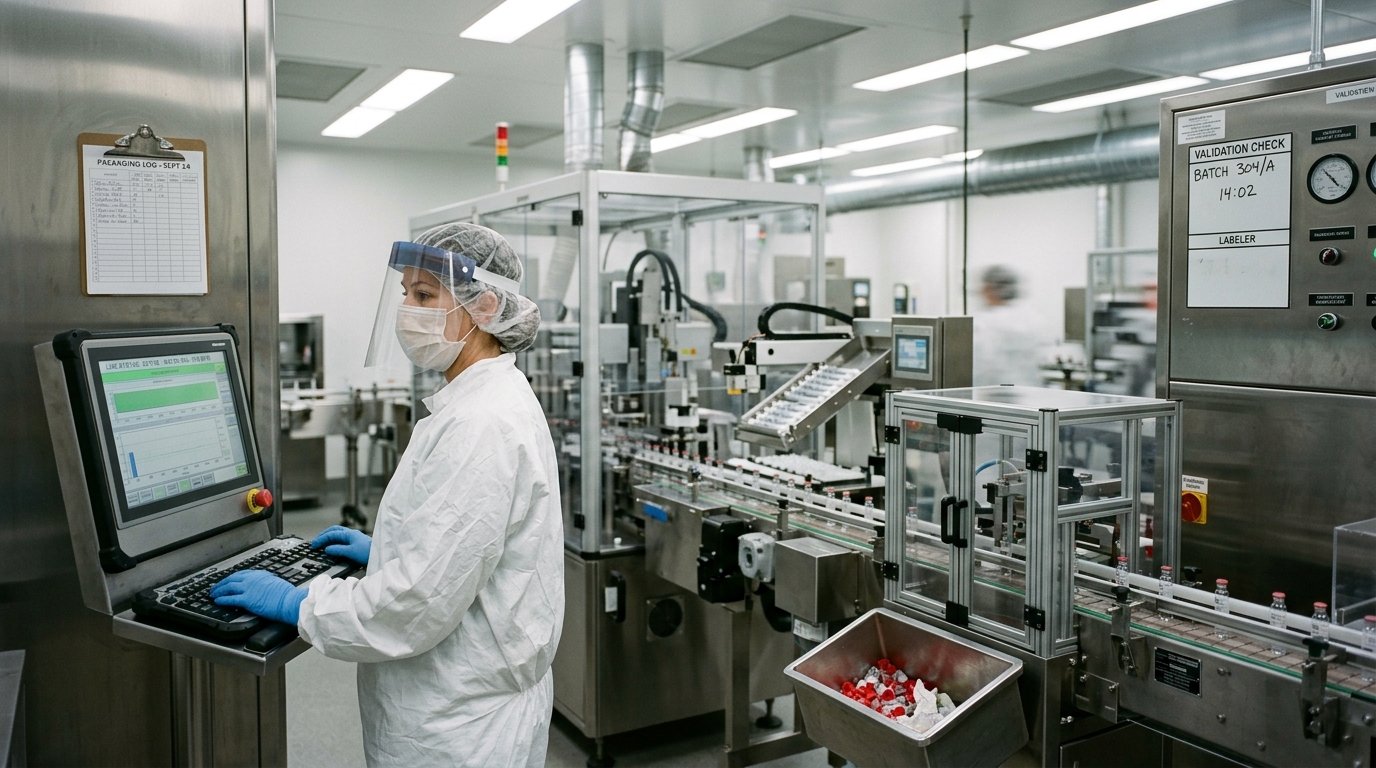

Modern biopharmaceuticals, including monoclonal antibodies, gene therapies, and mRNA vaccines, are highly temperature-sensitive. Exposing these complex formulations to temperatures outside their specified ranges can trigger protein denaturation, rendering the treatments ineffective. Cold Chain Management and Good Distribution Practice (GDP) standards govern these sensitive supply chains.
Good Distribution Practice (GDP) Guidelines
GDP guidelines dictate that distribution networks must protect drugs from damage, contamination, and temperature excursions. This requires validated storage facilities, refrigerated transport vehicles (reefers), and calibrated monitoring systems.
Passive vs. Active Shipping Systems
To maintain temperature during transit, logistics providers utilize two types of packaging systems:
- Passive Systems: Insulated containers using phase-change materials (PCM) or dry ice. They require no external energy source but have a limited temperature maintenance window (typically 48 to 96 hours).
- Active Systems: Specialized shipping containers with integrated electric refrigeration and heating systems powered by batteries or external connections, offering indefinite temperature control.
Handling Temperature Deviations
When a shipment encounters a temperature deviation, a formal investigation must be launched. The product cannot be released for patient use until stability data (such as Arrhenius kinetic calculations) proves the deviation did not degrade the active therapeutic compound.
Core Components of GDP in Cold Chain Logistics
Good Distribution Practice (GDP) guidelines mandate that the quality and integrity of pharmaceutical products must be maintained throughout the entire distribution network, from the manufacturing line to the patient. For biologics, vaccines, and advanced therapies, this requires maintaining a strict temperature range (typically 2°C to 8°C or deep frozen at -70°C). Any exposure to out-of-range temperatures, known as a temperature excursion, can denature proteins, reduce drug efficacy, and put patient safety at risk.
To comply with GDP, distributors must implement continuous temperature monitoring systems. This involves using calibrated dataloggers, passive and active thermal packaging systems, and temperature-controlled vehicles (reefers). Furthermore, GDP requires comprehensive risk assessments of shipping lanes to identify potential bottlenecks, such as customs delays or airport tarmac exposure, where temperature maintenance could fail.
The Regulatory Framework and Audit Readiness
Inspectors from agencies like the HPRA (Ireland) and the EMA (Europe) place high scrutiny on cold chain documentation. A robust GDP quality system must include clear Standard Operating Procedures (SOPs) for handling temperature excursions. This includes immediate quarantine of affected products, a formal investigation process to determine root cause, and documented evidence of Corrective and Preventive Actions (CAPA).
Additionally, annual validation of all cold rooms, shipping containers, and vehicles (known as temperature mapping) is required to identify any "hot spots" or areas of instability. Distributors must also ensure that all personnel involved in the handling and transport of medicines receive regular, documented GDP training to prevent handling errors.
Frequently Asked Questions
What is the difference between GMP and GDP?
GMP (Good Manufacturing Practice) ensures that products are consistently produced and controlled according to quality standards during manufacturing. GDP (Good Distribution Practice) ensures that the quality and integrity of these products are maintained throughout the storage, transit, and distribution phases.
What should be done immediately if a temperature excursion occurs during shipping?
If an excursion occurs, the affected shipment must be immediately quarantined in a temperature-controlled environment and labeled "Not for Use." A formal investigation must be initiated, and the manufacturer must be consulted to determine if stability data supports the product's safety before release.
What is temperature mapping in GDP compliance?
Temperature mapping is the process of placing temperature sensors throughout a storage area or transport vehicle over a set period (usually in both summer and winter) to establish its thermal profile, identify hot or cold spots, and validate that the space consistently maintains the required range.
Active vs Passive Cooling Systems in GDP Logistics
Maintaining a validated cold-chain requires choosing the right packaging technology. Passive systems rely on phase-change materials (like gel packs or dry ice) inside insulated shipping boxes to maintain temperature for up to 96 hours. Active systems use battery-powered refrigeration units built directly into container walls. Under GDP guidelines, logistics managers must validate both systems, verifying that they can withstand extreme external temperatures during transit through different climate zones without impacting product stability.
Active vs Passive Cooling Systems in GDP Logistics
Maintaining a validated cold-chain requires choosing the right packaging technology. Passive systems rely on phase-change materials (like gel packs or dry ice) inside insulated shipping boxes to maintain temperature for up to 96 hours. Active systems use battery-powered refrigeration units built directly into container walls. Under GDP guidelines, logistics managers must validate both systems, verifying that they can withstand extreme external temperatures during transit through different climate zones without impacting product stability.
Frequently Asked Questions
What is the difference between cold chain and warm chain?
Cold chain refers to temperature-sensitive shipping (e.g. 2°C to 8°C), whereas warm chain refers to products that must be kept at higher, controlled room temperatures.
How is GDP compliance audited in logistics?
Auditors inspect temperature logging data, vehicle calibration certs, shipping procedures, and deviation reports to verify that cold chain was never broken.
What are phase-change materials in pharmaceutical packaging?
These are chemical mixtures that absorb or release thermal energy at specific temperatures, maintaining target conditions inside shipping containers.
Frequently Asked Questions
What is the difference between cold chain and warm chain?
Cold chain refers to temperature-sensitive shipping (e.g. 2°C to 8°C), whereas warm chain refers to products that must be kept at higher, controlled room temperatures.
How is GDP compliance audited in logistics?
Auditors inspect temperature logging data, vehicle calibration certs, shipping procedures, and deviation reports to verify that cold chain was never broken.
What are phase-change materials in pharmaceutical packaging?
These are chemical mixtures that absorb or release thermal energy at specific temperatures, maintaining target conditions inside shipping containers.