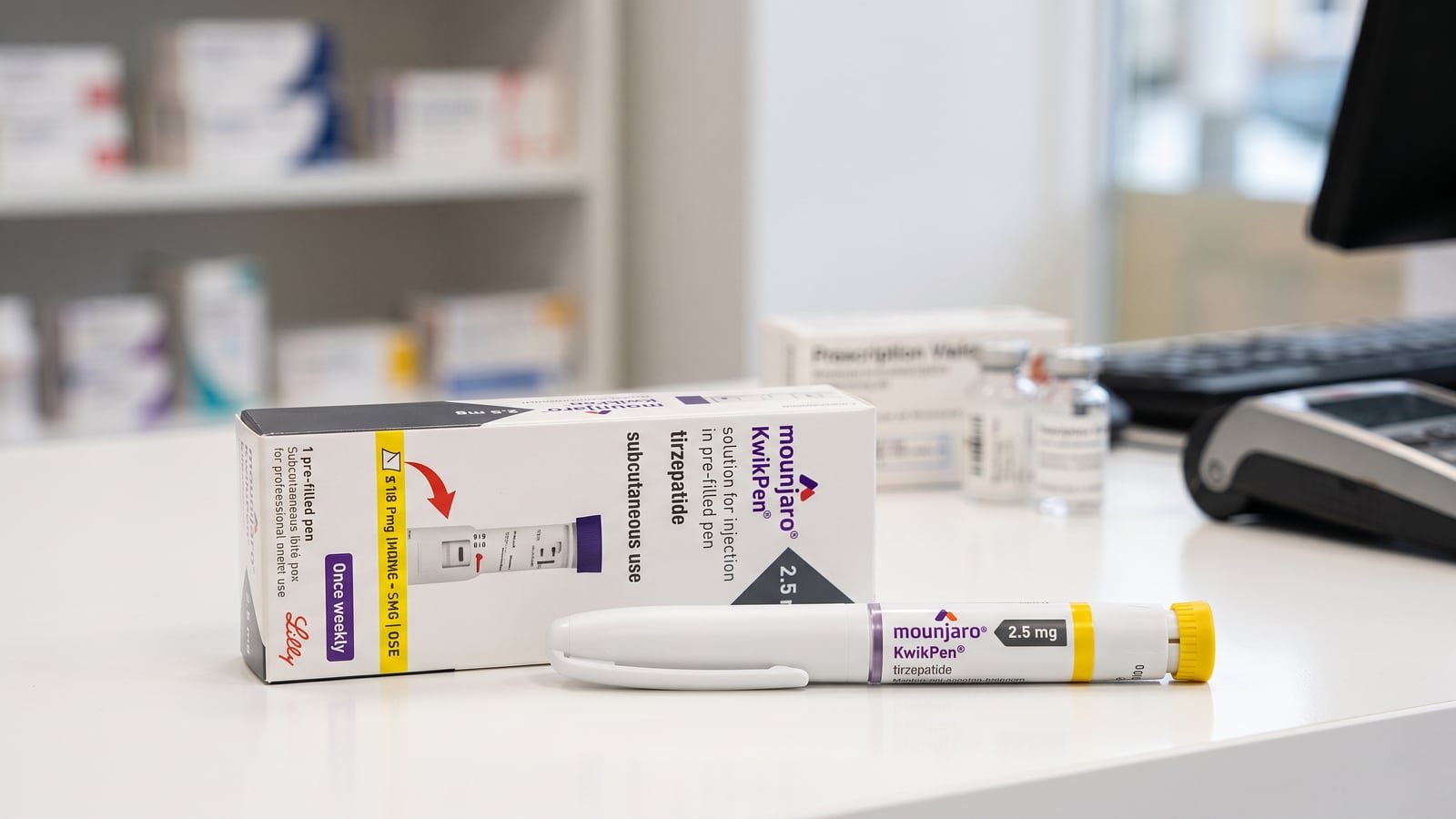

A recent flurry of headlines has declared that pharmaceutical workers in Ireland are "by far the highest-paid in Europe." While it is undeniable that Ireland is a massive global hub for the life sciences sector-hosting operations for the top 15 global pharmaceutical companies and offering highly competitive compensation-a deeper analysis reveals a more nuanced reality when compared directly with other major European markets.
To understand the true landscape of pharmaceutical compensation in Europe, we must look beyond basic headline salaries and examine total compensation packages, tax regimes, and the cost of living.
The Irish Pharma Boom and Wage Inflation
Ireland’s pharmaceutical sector is a critical pillar of its economy, driving a significant portion of national exports. The heavy concentration of U.S.-headquartered multinationals in Dublin, Cork, and Galway has created intense competition for specialized talent. This fierce competition has naturally driven up base salaries, particularly in high-demand areas such as quality assurance, regulatory affairs, and advanced biomanufacturing.
For mid-to-senior level roles, Irish salaries have aggressively closed the gap with historical high-payers in Western Europe. However, declaring Ireland the definitive leader requires important caveats.
The True Leader: Switzerland's Pharma Hubs
When analyzing raw compensation figures, industry data consistently points to Switzerland-specifically the Basel and Zurich regions-as the highest-paying market for pharmaceutical professionals in Europe.
- Base Compensation: Swiss salaries for life science professionals regularly carry a premium of 15% to 25% above Western European averages.
- Total Packages: In the Swiss and Danish biotech sectors, equity components and robust performance bonuses often make up a larger percentage of total compensation compared to the standard Irish package.
Comparative Market Analysis: The Big Five
Let's look at how Ireland compares with other heavyweights in the European life sciences arena:
- Switzerland: The undisputed leader in gross compensation, housing giants like Novartis and Roche. However, the extraordinarily high cost of living slightly offsets the massive salary numbers.
- Ireland: Highly competitive base salaries fueled by FDI (Foreign Direct Investment) and a massive concentration of FDA-approved manufacturing sites. Ireland offers excellent career mobility, though professionals in Dublin face severe housing costs that erode purchasing power.
- Germany: Europe’s largest pharmaceutical market by volume. Salaries in hubs like the Rhine-Neckar region are strong and incredibly stable, but high taxation often results in lower net take-home pay compared to Ireland.
- Denmark: Driven by powerhouses like Novo Nordisk, Danish compensation is highly competitive and often features exceptional work-life balance benefits and equity options, though it operates under one of the highest tax regimes in the world.
- The United Kingdom: Particularly the "Golden Triangle" of London, Oxford, and Cambridge, the UK remains a powerhouse for R&D and early-stage biotech. While base salaries are strong, they have recently struggled to match the rapid inflation seen in the Irish manufacturing hubs post-Brexit.
The "Take-Home" Reality: Cost of Living and Taxes
As any seasoned recruiter will note, "headline salary" is an incomplete metric. In Ireland, the combination of a high marginal tax rate and an ongoing housing crisis-particularly in Dublin-means that a higher gross salary does not always translate to a higher standard of living.
Conversely, certain European nations utilize targeted tax regimes to attract talent. For example, the Netherlands offers a "30% ruling" for highly skilled expats, which can significantly alter the net income calculation in favor of moving to Dutch hubs like Leiden.
The Verdict
Are Irish pharma workers the highest-paid in Europe? In terms of gross base salary for manufacturing and quality roles, they are certainly in the top tier, fiercely competing with-and occasionally beating-their UK and German counterparts. However, when factoring in total compensation packages (including equity), tax structures, and the absolute highest earners, Switzerland remains the apex of European pharmaceutical compensation.
For professionals navigating their careers, Ireland remains an incredibly lucrative and dynamic market, but evaluating an offer requires looking far beyond the headline number.
The Impact of Cost of Living and Taxation on Take-Home Pay
While the gross salaries for Irish pharmaceutical workers are among the highest in Europe, the net take-home pay is significantly impacted by Ireland's progressive tax system and high cost of living. When factors such as high housing costs, childcare expenses, and utility rates are taken into account, the real purchasing power of a Dublin-based pharma professional can be comparable to or lower than their peers in Switzerland, Germany, or the Netherlands, where base salaries may be slightly lower but housing is more accessible.
Frequently Asked Questions
Why are gross salaries in Irish pharma so high?
Gross salaries are driven up by the high concentration of advanced biopharma plants, which compete for a limited pool of GxP-qualified engineers and QA specialists.
How does the Irish tax system affect pharma professionals?
Ireland's high marginal tax rate (40% plus USC and PRSI) applies early, which reduces take-home pay for mid-to-senior level professionals compared to lower-tax jurisdictions.
Are benefits like health insurance and pensions standard in Irish pharma?
Yes. To attract talent, major pharmaceutical employers in Ireland typically offer comprehensive benefits packages, including health insurance, pension contributions, and performance-based bonuses.