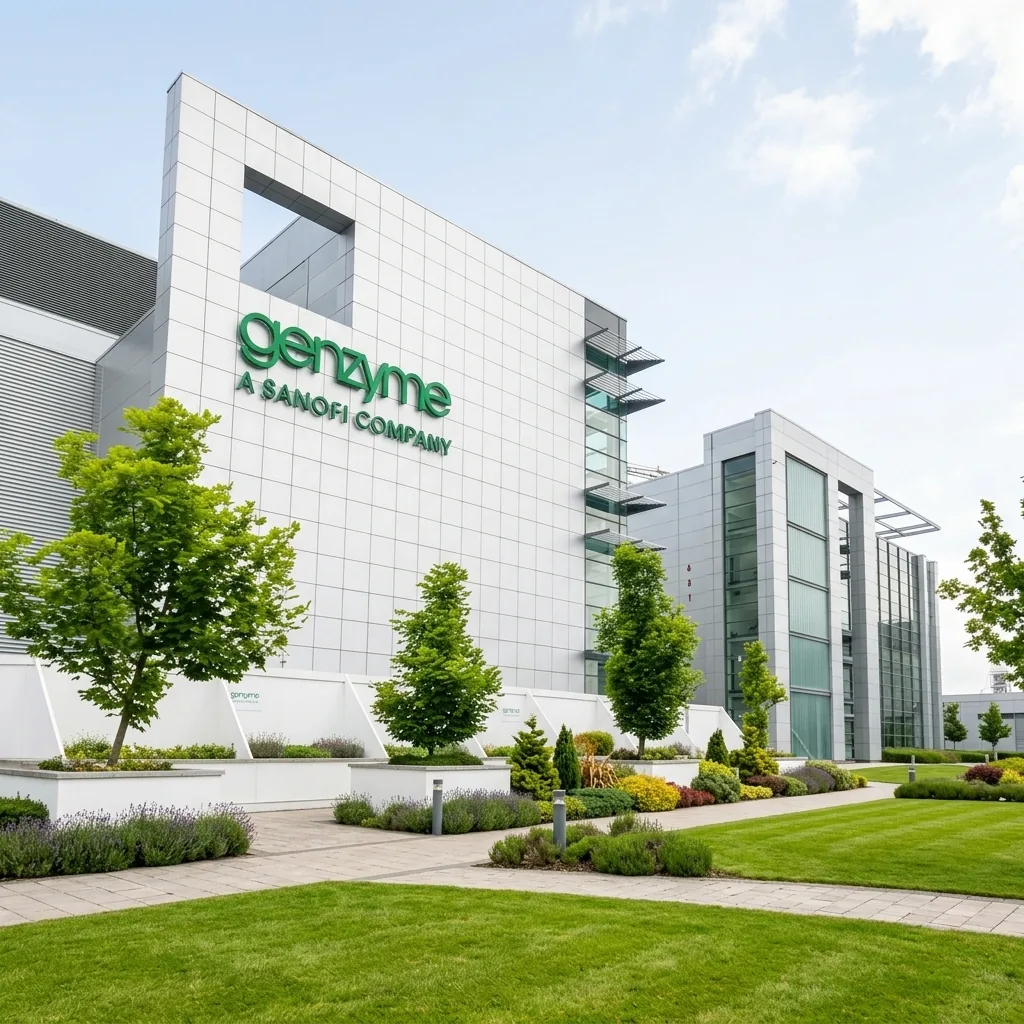


The global surge in demand for GLP-1 weight-loss and diabetes medications is reshaping the pharmaceutical manufacturing landscape in Ireland. Novo Nordisk has officially announced a €432 million investment to extensively upgrade and retrofit its tabletting facility located in Monksland, Athlone.
Expanding Global Manufacturing Capacity
The massive funding injection is dedicated entirely to expanding the facility's capacity to produce oral GLP-1 products. This crucially includes the highly sought-after tablet form of the weight-loss therapy, Wegovy, alongside essential diabetes treatments. The Athlone site is being positioned as a critical, strategic manufacturing hub designed to supply international markets outside of the United States.
Economic Impact and Job Creation
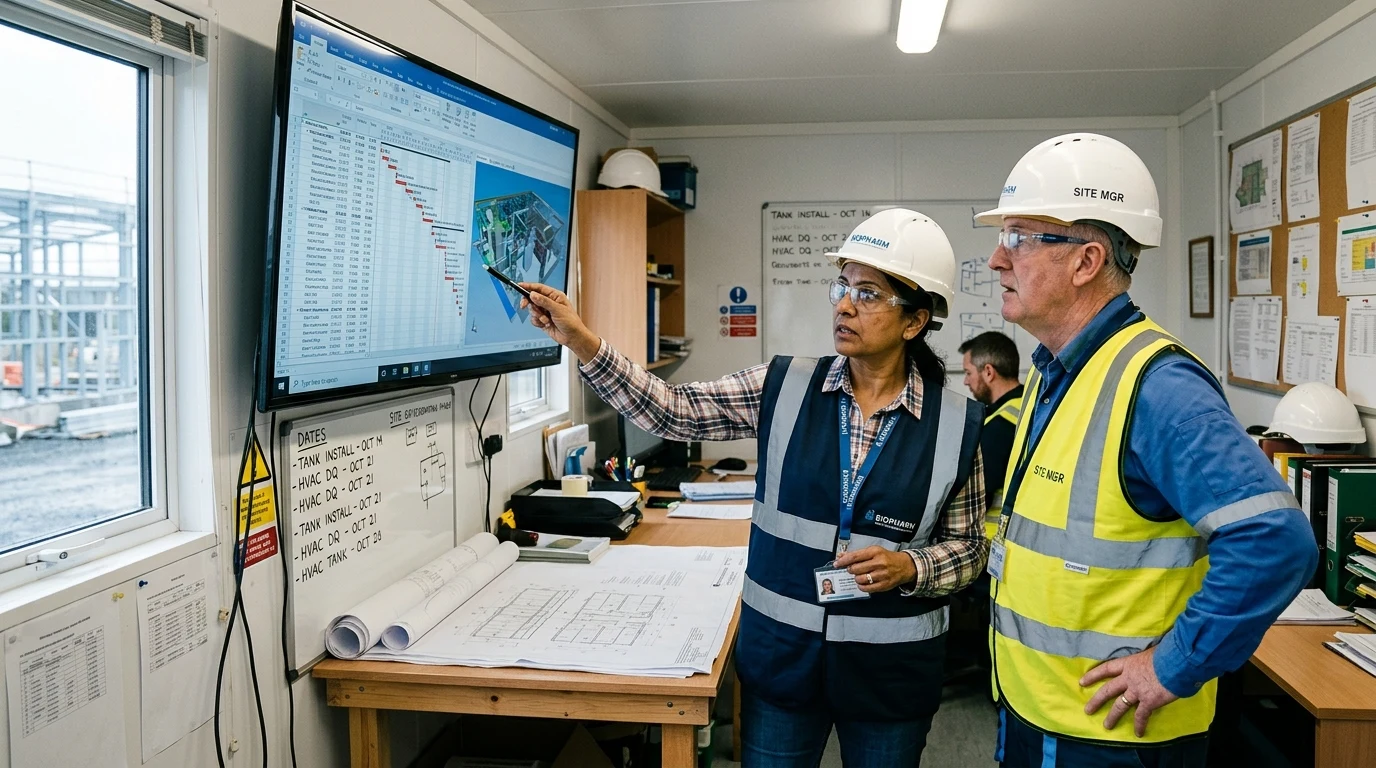
Novo Nordisk acquired the Athlone facility in 2024, which currently employs roughly 260 highly skilled professionals. The new expansion project is expected to deliver a significant boost to the local economy, generating up to 500 construction jobs throughout the multi-year development phase.
Construction work has already commenced on the site, with the phased expansion expected to be finalized between late 2027 and 2028. This strategic move highlights Ireland's enduring attractiveness as a premier location for high-value biopharmaceutical manufacturing, particularly for complex, next-generation oral therapeutics.
Strategic Context: The Biopharma Hub of the Irish Midlands
Novo Nordisk's decision to establish a major production footprint in Athlone, County Westmeath, represents a significant diversification of Ireland's life sciences cluster. Traditionally centered around Cork and Dublin, the expansion into the Midlands leverages a growing regional talent pool fueled by the Technological University of the Shannon (TUS). The €432 million investment is specifically targeted at expanding fill-finish capacity for Novo Nordisk's blockbuster GLP-1 therapies, including semaglutide products like Ozempic and Wegovy, which have seen unprecedented global demand.
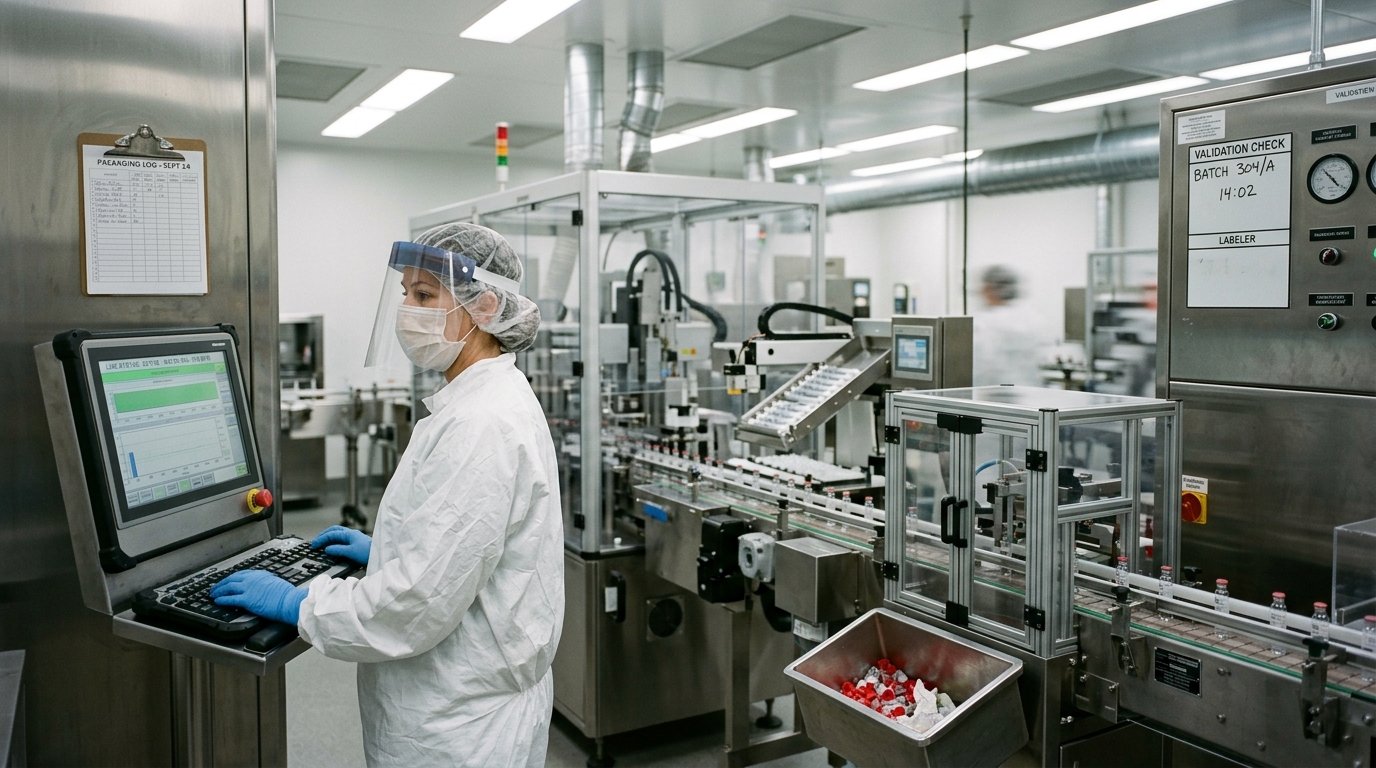
The Athlone site will focus on aseptic manufacturing, sterile filling, and automated packaging lines. This development is not only a boost for regional employment, creating over 350 direct permanent roles, but it also solidifies Ireland's position as a critical launchpad for next-generation drug delivery systems, particularly pre-filled pens and autoinjector devices that require high-precision engineering and absolute sterility.
Global Market Dynamics and the GLP-1 Demand Surge
The global market for obesity and type-2 diabetes treatments is projected to exceed $100 billion by 2030. This explosive growth has led to widespread shortages, forcing manufacturers to rapidly scale up production. By acquiring and upgrading the former Elan/Alkermes facility in Athlone, Novo Nordisk has bypassed the long timelines typically associated with greenfield constructions, allowing them to bring new capacity online years ahead of schedule.
This expansion also aligns with the company's broader sustainability goals. The modernized Athlone plant is designed to operate under strict environmental standards, aiming for zero environmental impact in operations, which includes water conservation, renewable energy integration, and waste reduction workflows in compliance with the EU's Corporate Sustainability Reporting Directive (CSRD).
Frequently Asked Questions
What will Novo Nordisk manufacture at the Athlone site?
The Athlone facility will focus on the sterile fill-finish operations and packaging of Novo Nordisk's high-demand GLP-1 weight-loss and type-2 diabetes medications, converting bulk drug substances into patient-ready pre-filled injector pens.
How many jobs will the €432 million Athlone expansion create?
The investment is expected to create over 350 high-value specialist roles during the construction and commissioning phases, leading to permanent positions in engineering, quality control, sterile production, and supply chain management.
Why did Novo Nordisk choose Athlone for this expansion?
Athlone offered an existing state-of-the-art biopharmaceutical facility (previously owned by Alkermes) that could be quickly retrofitted. Additionally, the location provides access to a strong regional talent pipeline from the Technological University of the Shannon (TUS) and established logistics networks.
Supply Chain Logistics and Global Cold-Chain Distribution
Operating a sterile fill-finish plant requires a highly synchronized logistics network. The semaglutide products manufactured in Athlone are highly temperature-sensitive biologics that must be maintained at a strict 2°C to 8°C environment. Novo Nordisk is integrating advanced cold-chain tracking systems, using Bluetooth temperature indicators on every batch shipping from the Midlands. These sensors provide real-time location and temperature metadata, ensuring that the integrity of the weight-loss pens is verified at every stage of transit to international markets, including the US and EU.
Supply Chain Logistics and Global Cold-Chain Distribution
Operating a sterile fill-finish plant requires a highly synchronized logistics network. The semaglutide products manufactured in Athlone are highly temperature-sensitive biologics that must be maintained at a strict 2°C to 8°C environment. Novo Nordisk is integrating advanced cold-chain tracking systems, using Bluetooth temperature indicators on every batch shipping from the Midlands. These sensors provide real-time location and temperature metadata, ensuring that the integrity of the weight-loss pens is verified at every stage of transit to international markets, including the US and EU.
Frequently Asked Questions
What is the scale of Novo Nordisk's Athlone investment?
Novo Nordisk is investing €432 million to expand its Athlone site, focusing on clinical packaging and sterile fill-finish operations.
Which drug classes are manufactured in Athlone?
The facility primarily packages and processes GLP-1 receptor agonists, such as semaglutide, used for type-2 diabetes and chronic weight management.
How does the expansion impact local employment?
The project will create hundreds of construction jobs during the building phase, and dozens of high-value permanent roles in GxP manufacturing.
Frequently Asked Questions
What is the scale of Novo Nordisk's Athlone investment?
Novo Nordisk is investing €432 million to expand its Athlone site, focusing on clinical packaging and sterile fill-finish operations.
Which drug classes are manufactured in Athlone?
The facility primarily packages and processes GLP-1 receptor agonists, such as semaglutide, used for type-2 diabetes and chronic weight management.
How does the expansion impact local employment?
The project will create hundreds of construction jobs during the building phase, and dozens of high-value permanent roles in GxP manufacturing.