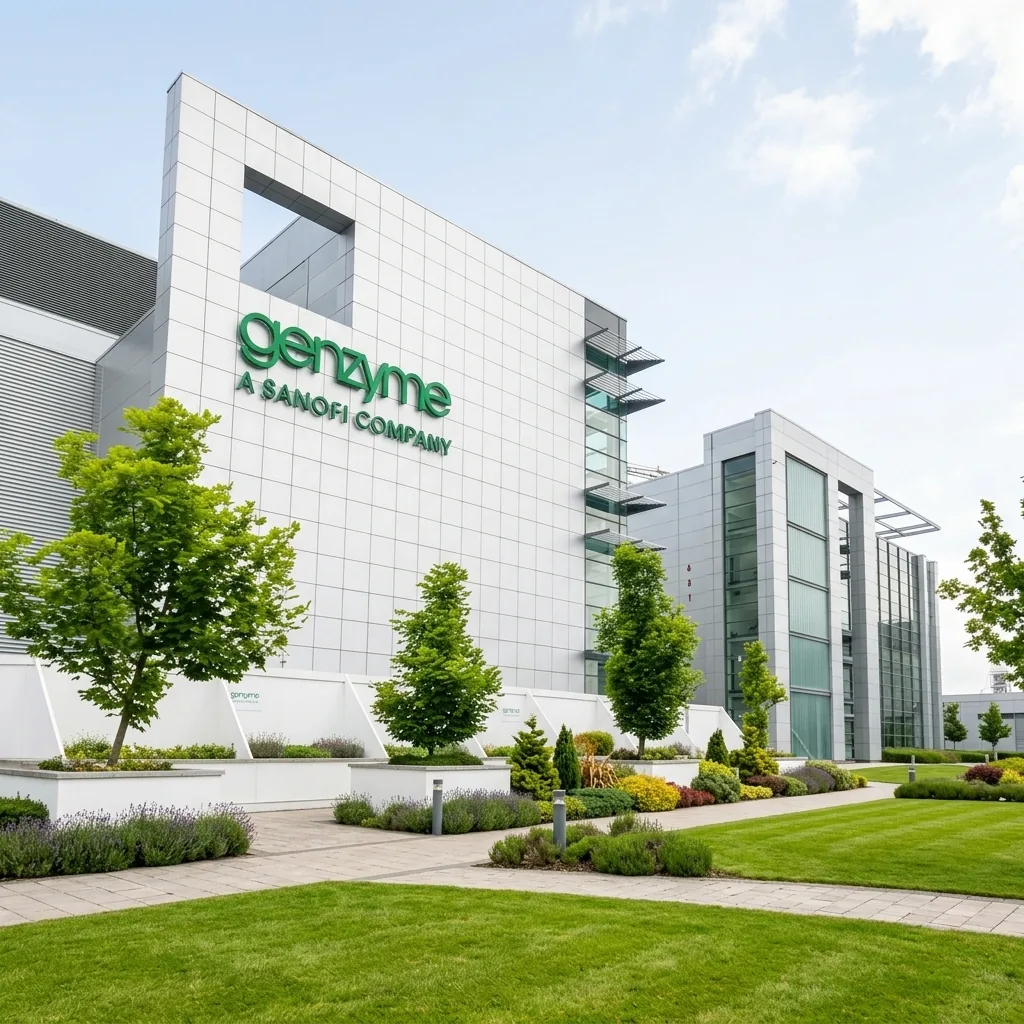

The gross domestic product (GDP) of the European Union closed the first quarter of 2026 with a contraction of 0.1%, according to the latest official figures from Eurostat, the EU's statistical agency. Under normal circumstances, this would indicate a broad-based slowdown or systemic weakness across the continent’s major economies. However, beneath the surface lies a bizarre statistical distortion originating not from factory closures or weak consumer demand, but from the tax-planning strategies and supply chain management of American pharmaceutical giants headquartered in Ireland.
Although the Republic of Ireland accounts for roughly 1.2% of the EU’s total population, its corporate-friendly environment has artificially inflated its share of the EU's total GDP to between 3% and 4%. When accounting strategies or tariff warnings alter the export volume of Irish subsidiaries, the resulting impact is large enough to shift the needle for the entire European Union's economic growth figures.
The Tax Mechanics: The GILTI Tax Loophole
The foundation of this economic distortion lies in the corporate tax architecture. Ireland’s corporate tax rate of 12.5% has long served as a magnet for multinational corporations. However, the modern boom in pharmaceutical operations was accelerated by a legislative development in the United States: the Tax Cuts and Jobs Act of 2017, enacted during the first Trump administration.
To discourage American companies from shifting profits to tax havens, the U.S. government introduced the Global Intangible Low-Taxed Income (GILTI) tax. Intended to ensure US companies paid a minimum tax on foreign profits, the law contained complex exemptions and calculation frameworks. In practice, it created an incentive system:
- If a pharmaceutical company kept intellectual property and manufacturing operations inside the United States, it faced a corporate tax rate of 21%.
- If it routed operations through a foreign subsidiary in a country like Ireland, the effective GILTI tax rate could drop to as low as 10.5%.
This differential turned Ireland into the preferred manufacturing hub for major blockbusters. Multinational companies like Pfizer, Eli Lilly, Novartis, AstraZeneca, and Novo Nordisk established major manufacturing or intellectual property holdings in Ireland. Products manufactured in Ireland are sold globally to other group subsidiaries at transfer prices that capture the maximum margin in Ireland, where it is taxed at the lower local rate, leaving subsidiaries in higher-tax jurisdictions with minimal paper profits.
Consequently, Ireland's pharmaceutical exports to the United States quadrupled over the span of eight years, growing from roughly $30 billion to over $110 billion annually.
The Stockpiling Shock of Q4 2025 and Q1 2026
The immediate trigger for the Q1 2026 contraction was a direct response to political and trade developments in Washington. In late 2025, anticipating the imposition of sweeping tariffs on European imports, pharmaceutical executives chose to hedge their exposure by accelerating shipments of active pharmaceutical ingredients (APIs) and finished products from Ireland to the United States.
📈 The Inventory Hedging Effect
By front-loading exports in the final quarter of 2025, multinationals built up months of emergency inventory on American soil. This massive spike in exports sent Irish Q4 GDP soaring, while simultaneously drawing down manufacturing demand for the subsequent quarter.
As the anticipated trade war fears eased slightly in early 2026, export volumes from Ireland plummeted. Because the U.S. market was already saturated with pre-shipped inventory, Irish pharmaceutical exports fell sharply in the first quarter of 2026. The result was a dramatic 12.1% drop in Irish GDP during the quarter. Because of the size of the Irish pharmaceutical sector, this double-digit domestic contraction was large enough to pull down the aggregate GDP of the entire 27-member European Union into negative territory (-0.1%).
Economists at Eurostat noted that without this localized pharmaceutical export correction, the rest of the European Union would have recorded positive GDP growth of between 0.1% and 0.2% for the quarter.
The Challenge for European Policymakers
This dynamic highlights a growing challenge for the European Central Bank (ECB) and European policymakers: the disconnect between paper economic metrics and the actual financial well-being of EU citizens. While the headline figures suggest a mild recession or economic contraction, the underlying domestic economies of major European nations remain stable.
For Ireland itself, this is a familiar phenomenon. In 2015, the country reported a Q1 GDP growth spike of 26.3% (famously dubbed "Leprechaun Economics" by economist Paul Krugman), driven by multinational assets relocating to Irish balance sheets. This has forced the Irish Central Bank to focus on alternative metrics, such as Modified Gross National Income (GNI*), which excludes the distorted effects of depreciation on foreign-owned intellectual property and aircraft leasing assets to provide a clearer picture of the domestic economy.
As long as corporate tax structures and global supply chains encourage multinationals to centralize their invoicing and manufacturing in low-tax jurisdictions, headline GDP will remain an unreliable indicator for measuring real economic health across the Eurozone.
Frequently Asked Questions
Why is Ireland often called a tax haven in economic research?
Due to its historic 12.5% corporate tax rate and flexible intellectual property rules, which attracted major US multinational headquarters.
What is the OECD global minimum tax rate?
The OECD Pillar Two agreement mandates a 15% global minimum corporate tax rate for multinational groups with revenues exceeding €750 million.
How has the 15% tax rate affected Ireland's corporate landscape?
It has normalized international tax rules, keeping Ireland competitive due to its talent base, infrastructure, and EU membership rather than just tax arbitrage.
Global Taxation and Corporate Strategy
The implementation of the OECD Pillar Two global minimum tax framework marks the end of an era for low-tax arbitrage. Multinational biopharma groups operating in Ireland are adjusting their strategies to focus on research infrastructure, talent development, and logistics networks. This shift reinforces Ireland's transition from a tax-centric model to a high-value operational and innovation hub.