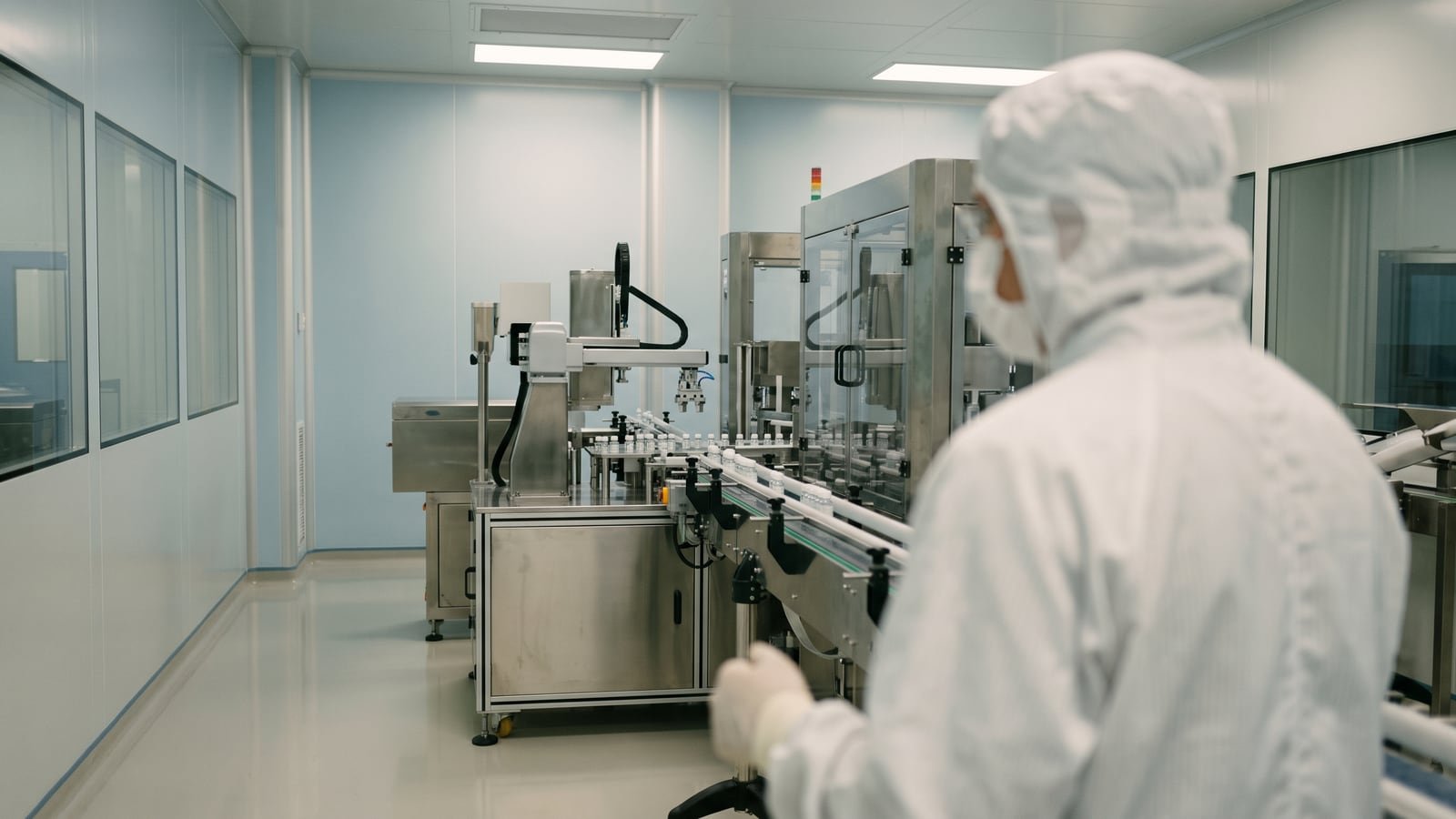

Eisai, the Japanese pharmaceutical company, announced on 17 June 2026 an investment of approximately £48 million, across multiple phases, at its manufacturing site in Hatfield, Hertfordshire, UK. The project will set up in-house supply chain and packaging capabilities for current and future cold-chain medicines, including lecanemab, so that Eisai no longer relies on external contract manufacturers for this packaging.
The project is supported by the UK Government's Life Sciences Innovative Manufacturing Fund (LSIMF), subject to terms and conditions. The LSIMF is a capital grants scheme that aims to strengthen UK life sciences manufacturing and supply resilience against future health emergencies.
Meeting the Demand for Cold-Chain Therapeutics
As the pharmaceutical industry shifts increasingly toward complex biologics, specialized vaccines, and advanced targeted therapies, the demand for robust cold-chain logistics has surged. These sensitive medical products must be maintained at exact temperature ranges throughout their lifecycle-from formulation and packaging to final delivery to the patient.
Eisai’s investment at the Hatfield site will directly address this growing need. Planned work includes expanded goods receipt and dispatch, ambient and cold-chain warehouses, and packaging buildings and lines that can handle temperature-controlled products. The site will move beyond oral solid dose operations into packaging injection and infusion medicines, and will serve as a manufacturing hub for Europe, the Middle East and Africa.
Strengthening the UK Life Sciences Sector
The collaboration between Eisai and the UK government highlights a mutual commitment to fortifying the local manufacturing ecosystem. The LSIMF funding acts as a catalyst, encouraging multinational corporations to anchor high-value manufacturing processes within the UK.
- Supply Resilience: By localizing the packaging and distribution of temperature-sensitive drugs, the UK can reduce its reliance on complex, international cold-chain networks that are highly vulnerable to logistical disruptions.
- Economic Impact: Science Minister Lord Vallance said the investment will support new skilled jobs in Hatfield. Kenan Poleo, director of the Office for Life Sciences, said it will support almost 150 jobs, as reported by pharmaphorum.
The project will be rolled out in strategic phases, ensuring that operations can scale efficiently to meet both current product demands and the future pipeline of Eisai's innovative therapies.
Eisai's Hatfield Expansion and Packaging Innovation
Japanese pharmaceutical company Eisai has announced a £48 million investment to expand its manufacturing and packaging facility in Hatfield, UK. The investment covers cold-chain warehousing and packaging lines for temperature-controlled medicines, including the Alzheimer's disease treatment lecanemab.
Eisai said the site will offer multi-language and small-batch packaging, production flexibility and advanced quality management.
Frequently Asked Questions
What medicines will be packaged at the expanded Eisai Hatfield site?
Eisai says the site will package and supply current and future cold-chain medicines, including its Alzheimer's disease treatment lecanemab.
Why is cold-chain packaging critical for Alzheimer's therapies?
Advanced biologics like monoclonal antibodies are highly temperature-sensitive. They must be packaged in insulated, temperature-monitored containers to prevent degradation during transit, maintaining a strict 2°C to 8°C environment.
How many new jobs will this investment generate?
Eisai did not give a figure. Kenan Poleo, director of the UK Office for Life Sciences, said the investment will support almost 150 jobs, as reported by pharmaphorum.
Where is Eisai's UK packaging hub located?
The hub is at Eisai's manufacturing site in Hatfield, Hertfordshire, which Eisai says will serve as a manufacturing hub for Europe, the Middle East and Africa.
What is serialization in pharmaceutical packaging?
Serialization involves assigning a unique serial number to each individual package of medication to prevent counterfeits and track products.
How does the investment support Eisai's clinical pipeline?
It brings packaging for current and future cold-chain medicines, including lecanemab, in-house instead of using external contract packagers.
Correction, 2 November 2026: We removed claims not supported by Eisai's announcement (oncology products, serialisation and FMD, Irish and Dutch hubs, a US dollar figure and "over 100" jobs), added the announcement date, the LSIMF conditions and the jobs figure reported from the Office for Life Sciences, and removed repeated sections.