

The field of cell therapy is undergoing a rapid evolution, bringing unprecedented hope to patients with complex and rare diseases worldwide. However, at the forefront of this medical revolution is a pressing challenge: the need for scalable, efficient, and cost-effective manufacturing processes. Recognizing this critical industry bottleneck, Avectas, a pioneering cell engineering technology business, has recently announced a landmark collaboration with the Centre for Commercialization of Regenerative Medicine (CCRM) and its contract development and manufacturing organization (CDMO) subsidiary, OmniaBio.
A Synergistic Partnership
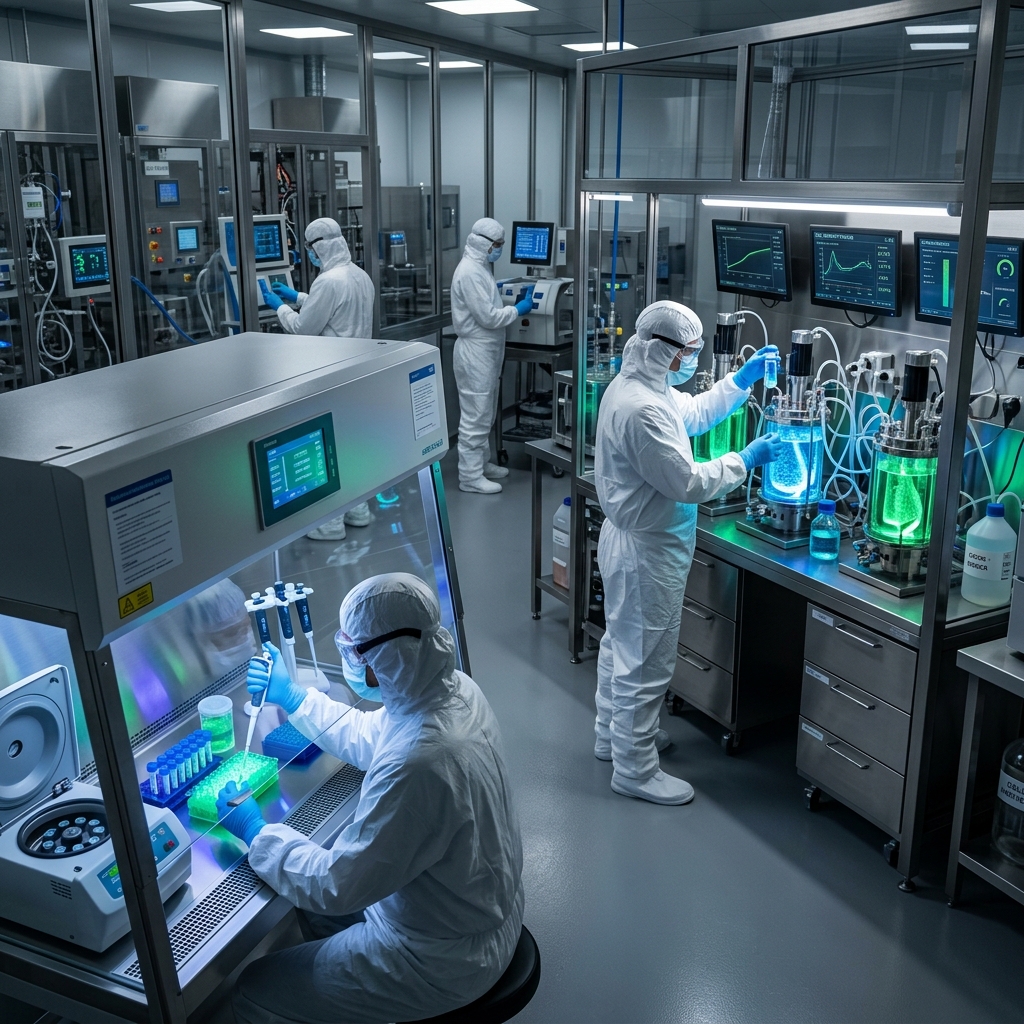
This newly formed agreement aims to evaluate and optimize Avectas' proprietary cell therapy manufacturing platform. By leveraging the deep translational expertise of CCRM and the state-of-the-art, purpose-built facilities at OmniaBio, Avectas is poised to significantly accelerate the transition of its cutting-edge technology from the laboratory directly into clinical and commercial manufacturing environments.
Overcoming the Manufacturing Bottleneck
Despite the undeniable clinical success of advanced therapies, manufacturing remains a significant hurdle. Current methods-often heavily reliant on complex viral vectors-can be labor-intensive, difficult to scale, and incredibly costly.
Avectas' platform is meticulously designed to address these exact pain points. By developing innovative, non-viral cell engineering techniques, Avectas aims to streamline the complex modification of cells (such as T-cells used in CAR-T therapies). Their approach focuses on:
- Reducing turnaround times: Getting life-saving treatments back to patients faster.
- Lowering production costs: Making therapies more economically viable and accessible.
- Maintaining cell health: Ensuring high cell viability and functionality post-engineering.
The Strategic Role of CCRM and OmniaBio
CCRM, a Canadian not-for-profit public-private consortium, has a proven and internationally recognized track record of supporting the development and commercialization of regenerative medicines. OmniaBio, which was established to scale up CCRM's existing manufacturing infrastructure, provides specialized CDMO services specifically tailored for the unique needs of cell and gene therapies.
Their combined capabilities will provide Avectas with a robust, real-world testing ground. The evaluation will likely focus on scalability, reproducibility, and the seamless integration of the Avectas platform into end-to-end manufacturing workflows-a critical validation step for any novel technology seeking widespread adoption in the biopharma industry.
Looking Ahead
As the global demand for novel, personalized cell therapies continues to surge, innovations in the manufacturing space are not just beneficial; they are essential for the industry's survival and growth. The collaboration between Avectas, CCRM, and OmniaBio represents a significant stride toward a future where life-saving cell therapies are more accessible and affordable.
By engineering the future of cell therapy manufacturing, Avectas is helping to ensure that the next generation of revolutionary treatments can effectively reach the patients who need them the most.
Advancing Non-Viral Gene Editing Workflows
The strategic partnership between Irish biotech Avectas, the Centre for Commercialization of Regenerative Medicine (CCRM), and Omniabio represents a major collaboration aimed at scaling cell and gene therapy manufacturing. Cell therapies, such as CAR-T, involve modifying a patient's immune cells to fight disease. Traditional modification methods rely on viral vectors, which are expensive, complex to manufacture, and carry safety risks. Avectas has developed a proprietary non-viral delivery platform called Solupore, which temporarily permeabilizes cell membranes to deliver gene editing cargo (like CRISPR-Cas9) with high efficiency and cell viability.
This partnership will combine Avectas' Solupore technology with CCRM's translational expertise and Omniabio's commercial-scale manufacturing facilities in Canada, providing developers with a streamlined, scalable, and virus-free pathway for clinical and commercial production.
Frequently Asked Questions
What is Avectas' Solupore technology?
Solupore is a non-viral cell engineering platform that uses a specialized solution to temporarily open pores in cell membranes, allowing the delivery of gene editing tools without using viruses.
What is the role of Omniabio in this partnership?
Omniabio provides commercial-scale contract development and manufacturing organization (CDMO) services, helping scale up Solupore-engineered therapies for clinical trials.
Why is non-viral gene editing becoming more popular in cell therapy?
Non-viral methods lower manufacturing costs, reduce the risk of insertional mutagenesis, and avoid the complex logistics associated with viral vector production.
Frequently Asked Questions
What is the main challenge in scaling CAR-T cell therapies?
CAR-T therapies are patient-specific (autologous), meaning they must be manufactured individually, creating massive logistical and quality control bottlenecks compared to generic drugs.
How does Solupore technology handle fragile cells?
Solupore uses a gentle, transient chemical permeabilization process that allows gene-editing materials to enter cells without causing mechanical stress or high mortality rates.
Where is CCRM located and what is its role?
CCRM is located in Toronto, Canada. It is a center of excellence that helps biotechs transition their research discoveries from the lab to commercial-scale GxP manufacturing.
Frequently Asked Questions
What is the main challenge in scaling CAR-T cell therapies?
CAR-T therapies are patient-specific (autologous), meaning they must be manufactured individually, creating massive logistical and quality control bottlenecks compared to generic drugs.
How does Solupore technology handle fragile cells?
Solupore uses a gentle, transient chemical permeabilization process that allows gene-editing materials to enter cells without causing mechanical stress or high mortality rates.
Where is CCRM located and what is its role?
CCRM is located in Toronto, Canada. It is a center of excellence that helps biotechs transition their research discoveries from the lab to commercial-scale GxP manufacturing.