

The financial strain of revolutionary GLP-1 (glucagon-like peptide-1) drugs is rapidly becoming a transatlantic issue. In Ireland, the Health Service Executive (HSE) is currently facing an unprecedented "GLP-1 Dilemma"-tasked with balancing the massive clinical demand for highly effective new obesity medications against immense budgetary constraints and severe global supply shortages.
While medications like Ozempic (semaglutide) and Saxenda (liraglutide) are revolutionizing weight management, the reality on the ground in 2026 is one of strict reimbursement controls, creating a complex landscape for both patients and prescribers. Balancing the undeniable clinical benefits of these drugs against their massive cost to the taxpayer is currently one of the most heavily debated topics within the Department of Health.
The "Dreadful Dichotomy" of Access
General Practitioners across Ireland are increasingly highlighting what they call a "dreadful dichotomy" in modern healthcare. Because of the strict public reimbursement rules, access to these life-changing medications is heavily stratified by wealth.
A small minority of patients who can afford the out-of-pocket costs (often running into hundreds of euros per month) can access the drugs privately. Meanwhile, the vast majority of the population-including those who are most clinically vulnerable-cannot afford private prescriptions and are locked out by strict public funding criteria. This widening inequality in access is raising profound ethical questions for the HSE.
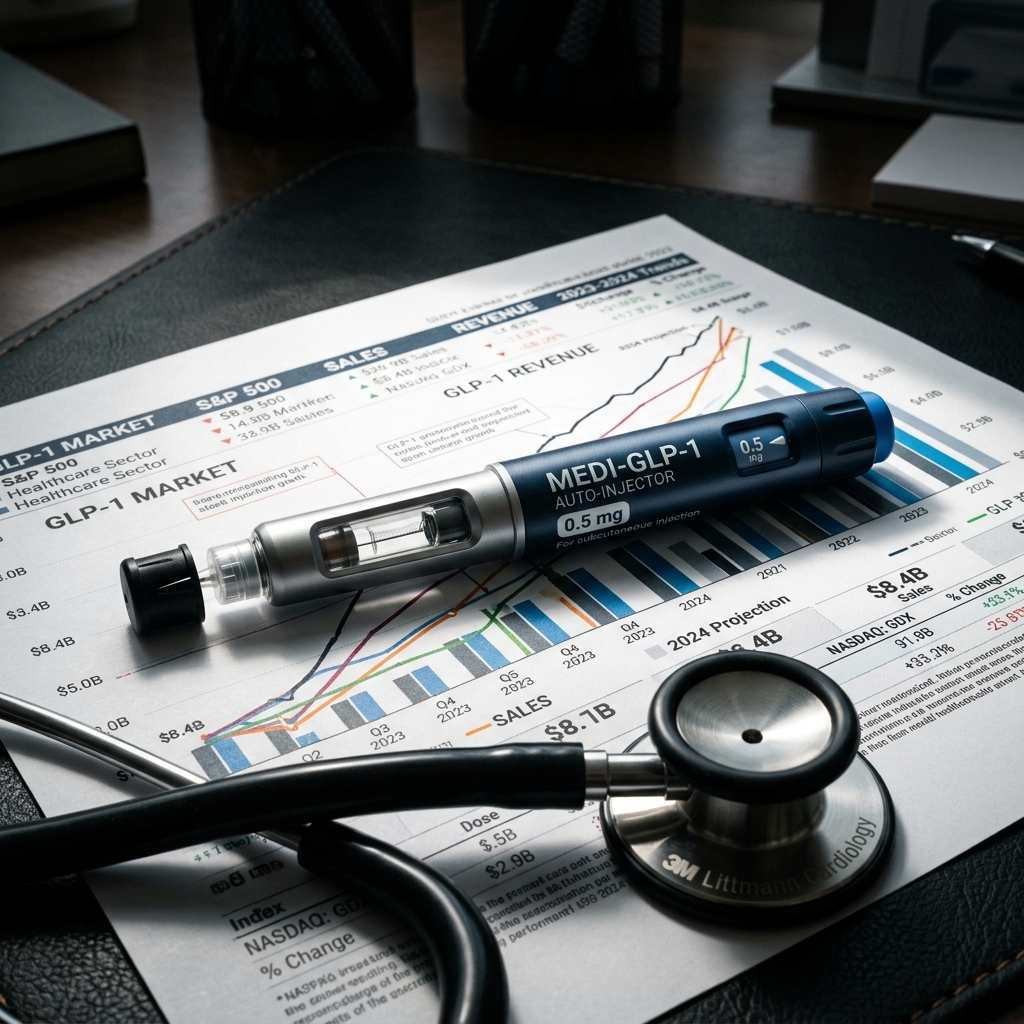
Current Status of Key GLP-1 Drugs (2026)
To control the budget, the HSE has implemented highly restrictive funding controls. Here is where the major drugs stand as of 2026:
- Ozempic® (semaglutide): Reimbursement is heavily restricted. It is covered strictly for the treatment of Type 2 diabetes under the GMS (Medical Card) and Long-Term Illness schemes. It is not publicly funded for off-label weight loss.
- Saxenda® (liraglutide): This is currently the primary exception for obesity. However, it is strictly controlled under a Managed Access Protocol. It is only reimbursed for patients with a Body Mass Index (BMI) of ≥ 30, or a BMI of ≥ 27 if accompanied by severe weight-related complications (such as pre-diabetes or hypertension).
- Wegovy® & Mounjaro®: The highly anticipated next-generation therapies (semaglutide for obesity, and tirzepatide) are currently undergoing formal, intense pricing and reimbursement assessments by the HSE.
- Children and Adolescents: In a progressive move, the HSE is now making specific GLP-1 therapies available for children and adolescents presenting with severe and complex obesity, managed carefully within the medical scheme by specialist pediatric endocrinologists.
High Cost vs. Long-Term Value: A "Forever" Treatment?
With roughly 60% of Irish adults classified as overweight or obese, the potential addressable market for these drugs is staggering. If the HSE were to offer blanket reimbursement, the costs would easily eclipse existing national pharmacy budgets.
Compounding this financial anxiety is the clinical reality of the treatment. Long-term studies indicate that weight is rapidly regained once the medication is stopped. This means GLP-1 agonists are not a short-term "quick fix" or a cure; they are a long-term, high-cost chronic treatment, similar to managing blood pressure or cholesterol. This "forever" treatment model drastically alters the cost-benefit analysis for state health economists.
Safety and Supply: The Black Market Boom
The combination of high out-of-pocket private costs, strict public reimbursement limits, and global manufacturing shortages has created a dangerous vacuum.
Desperate patients are increasingly turning to the internet. The Health Products Regulatory Authority (HPRA) has reported a staggering 30-fold surge in seized illegal, unauthorized GLP-1 products at Irish borders. These counterfeit products, often marketed as cheap Ozempic or Saxenda, carry massive health risks. They are frequently manufactured in unregulated environments, may contain entirely different active ingredients (like raw insulin, which can cause fatal hypoglycemia), and are often administered with unsterile needles.
Conclusion
The GLP-1 dilemma is arguably the most complex pharmacological challenge the Irish state has faced in a generation. Solving it will require aggressive price negotiations with pharmaceutical giants, a rapid scaling of specialized obesity clinics, and a societal shift in how we view and fund obesity as a chronic, biological disease.
Resource Allocation and Reimbursement Criteria for Weight-Loss Drugs
The clinical and financial debate surrounding the reimbursement of GLP-1 weight-loss drugs like Wegovy and Ozempic is a major challenge for the HSE. While clinical data shows that these drugs are highly effective in treating obesity and reducing cardiovascular risks, the cost of funding them for a large patient population is prohibitive. The HSE must establish strict eligibility criteria, prioritizing patients with severe comorbidities, while managing public pressure and supply shortages.
Frequently Asked Questions
Why is the HSE debating the reimbursement of weight-loss drugs?
The massive demand for GLP-1 therapies creates budget challenges, requiring the HSE to balance funding for obesity treatments with other clinical priorities.
Who is currently eligible for reimbursed GLP-1 drugs in Ireland?
Eligibility is restricted to type-2 diabetes patients and patients meeting specific BMI and comorbidity criteria under clinical managed access protocols.
How are drug shortages affecting GLP-1 access in Ireland?
Global demand has led to shortages of active ingredients, forcing the HPRA to coordinate with manufacturers to prioritize supply for existing diabetes patients.