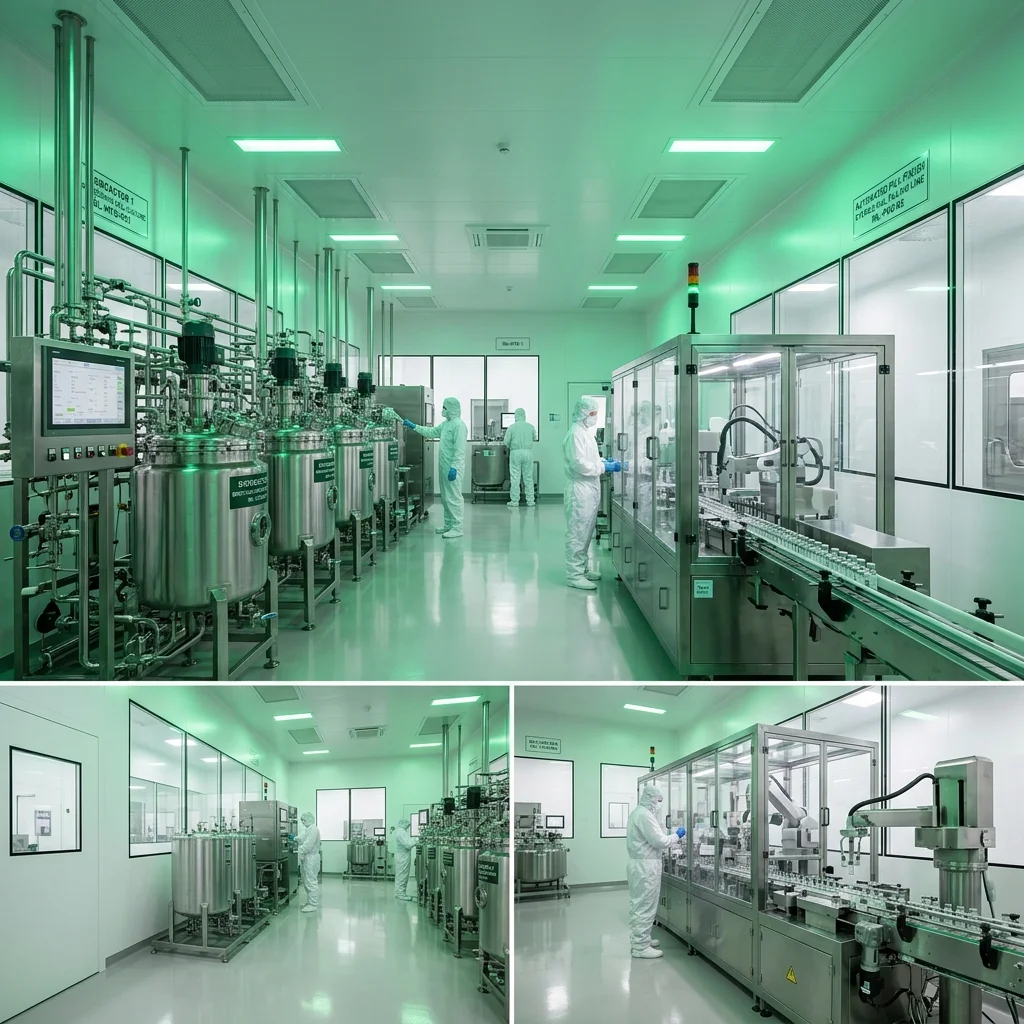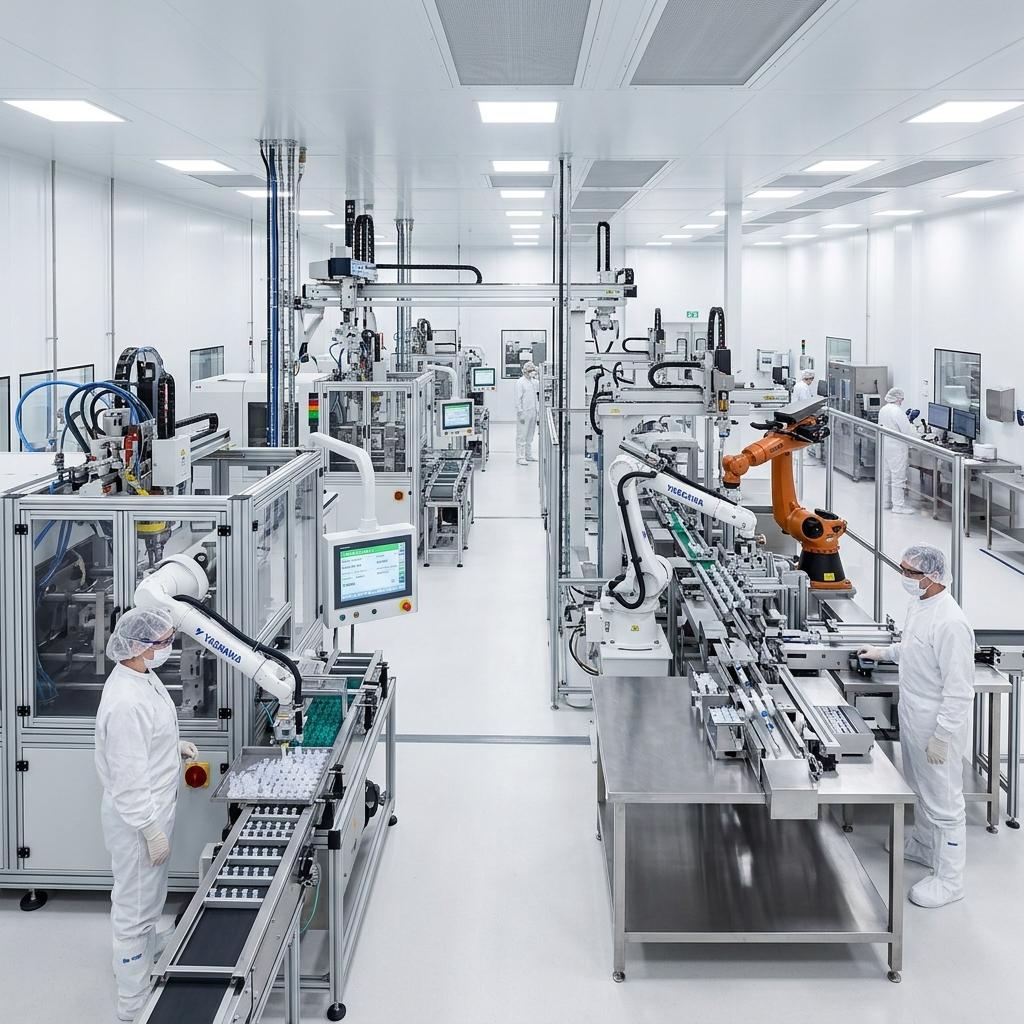


Global pharmaceutical companies are significantly increasing their presence in the United States, committing substantial funds to expand manufacturing and research operations. According to a Reuters report published on June 15, major drugmakers such as Eli Lilly, Pfizer, AstraZeneca, and Roche have collectively announced approximately $500 billion in U.S. investments.
This massive influx of capital is aimed at strengthening infrastructure, reducing supply-chain vulnerabilities, and building long-term investor confidence. Following the disruptions of recent global events, pharmaceutical giants are prioritising nearshoring and localising their critical manufacturing capabilities to ensure a steady supply of essential medicines.
Strengthening the Supply Chain
One of the primary drivers behind this historic investment wave is the need to fortify the pharmaceutical supply chain. By expanding domestic manufacturing capabilities within the U.S., these companies aim to mitigate the risks associated with relying heavily on overseas production and complex international logistics.
- Advanced Manufacturing: Investments are heavily geared towards building state-of-the-art biological manufacturing facilities capable of producing complex novel therapeutics.
- Research & Development: A significant portion of the funds will be channeled into R&D hubs, accelerating the development pipelines for oncology, immunology, and rare disease treatments.
The Key Players
Several industry leaders are at the forefront of this initiative:
- Eli Lilly: Focusing on expanding its footprint in advanced manufacturing to meet the soaring demand for its latest therapies.
- Pfizer & AstraZeneca: Investing heavily in robust R&D ecosystems and localized production lines.
- Roche: Strengthening its diagnostic and pharmaceutical infrastructure to ensure resilience against future global shocks.
Industry analysts believe that these commitments will not only safeguard public health by ensuring a stable drug supply but will also create thousands of high-skilled jobs across the American biosciences sector, cementing the United States as the premier hub for pharmaceutical innovation.