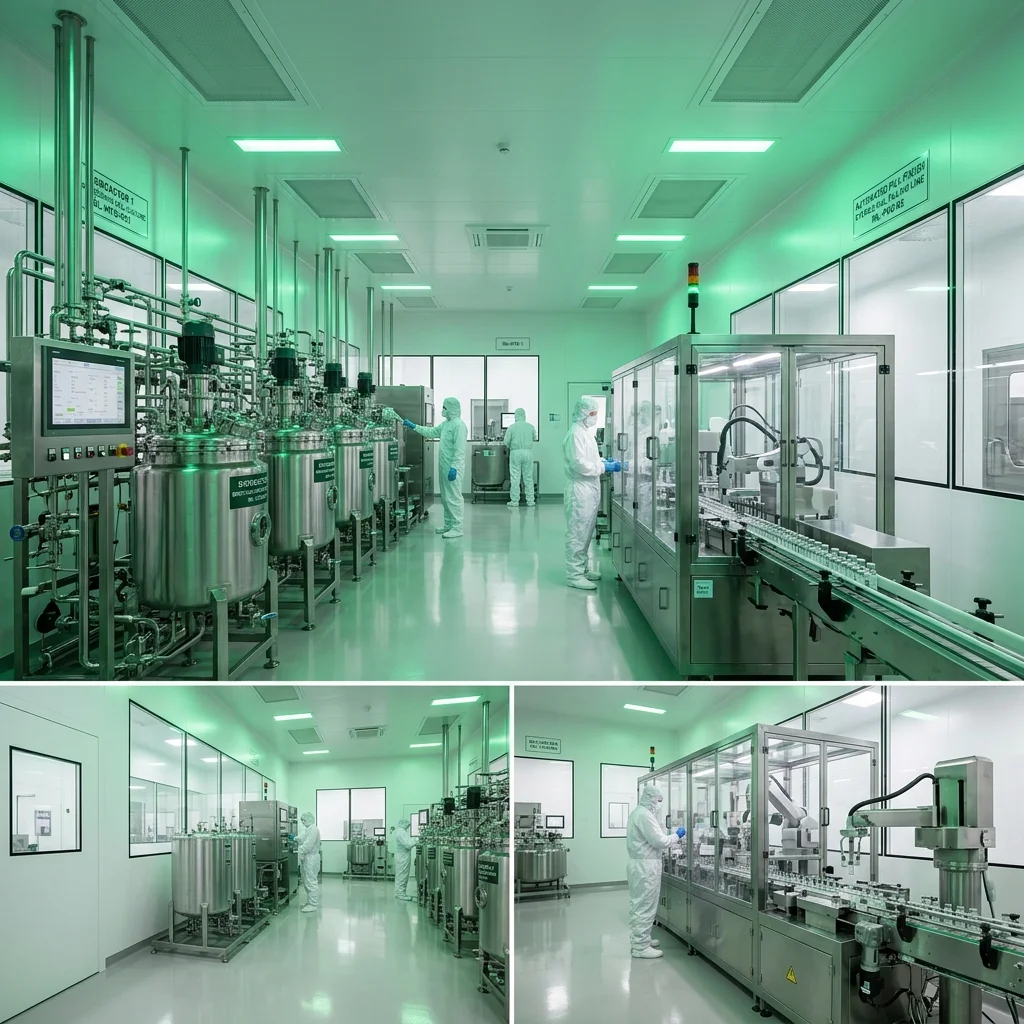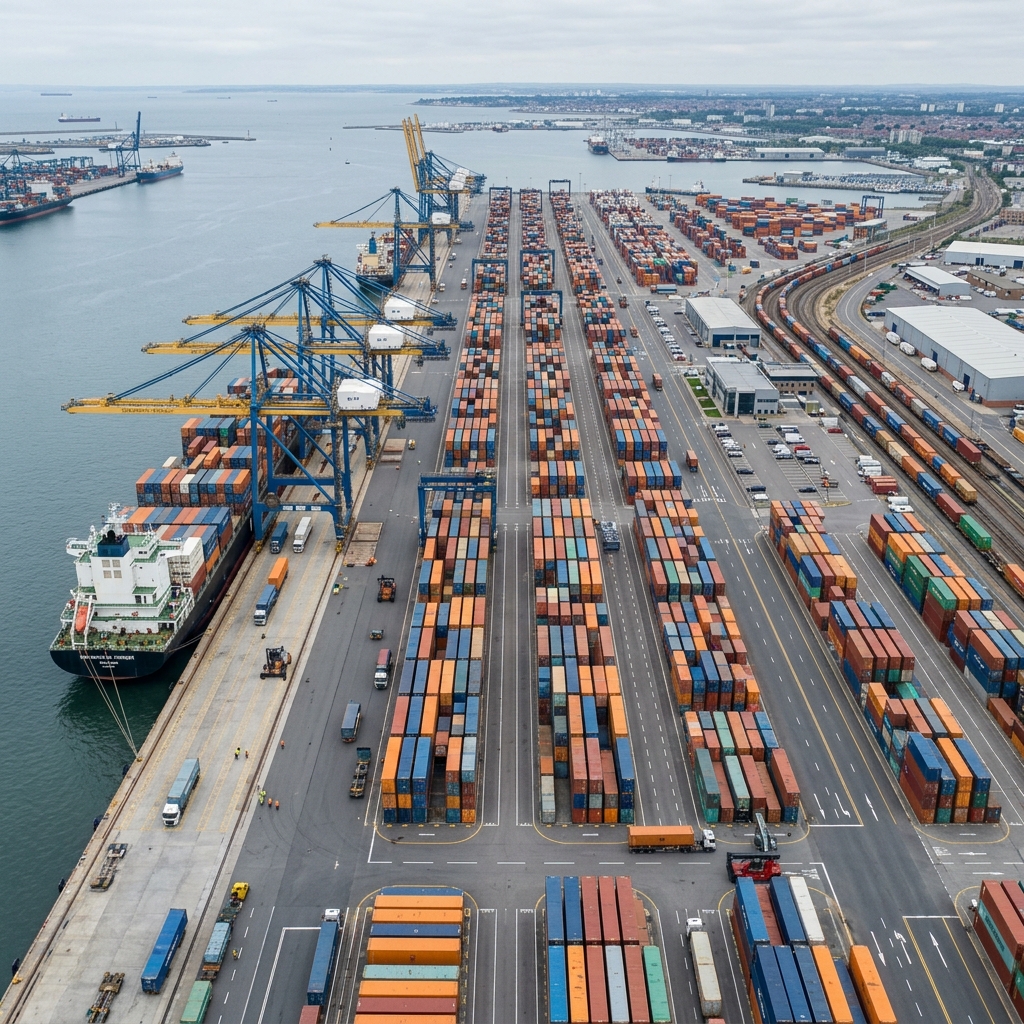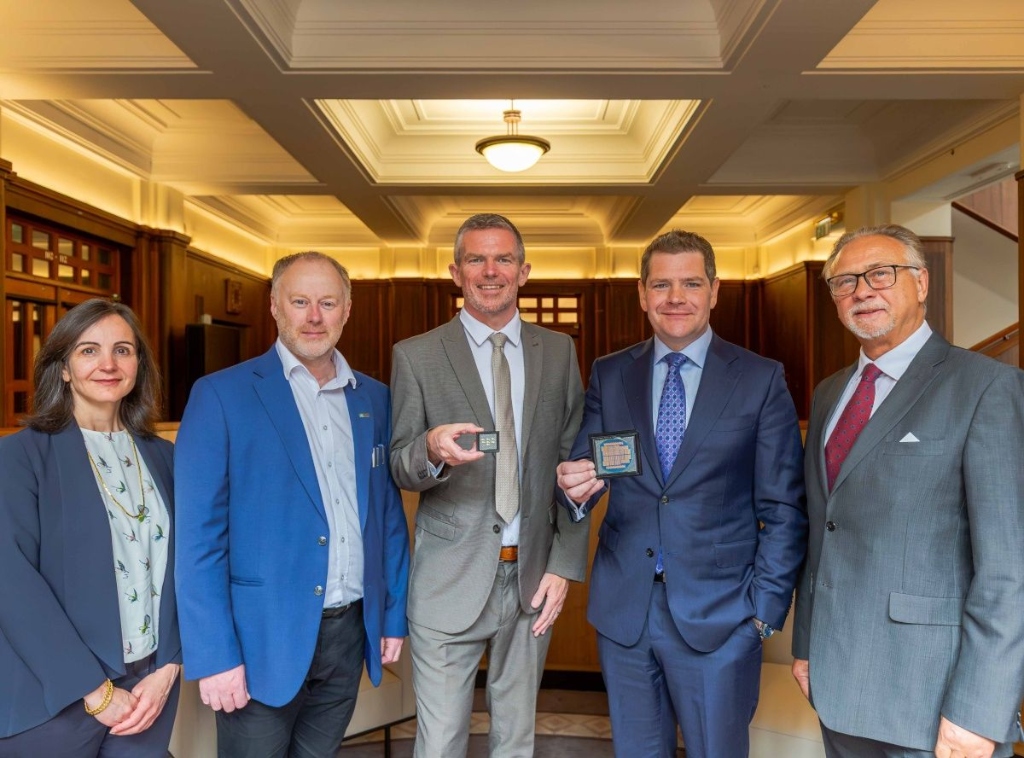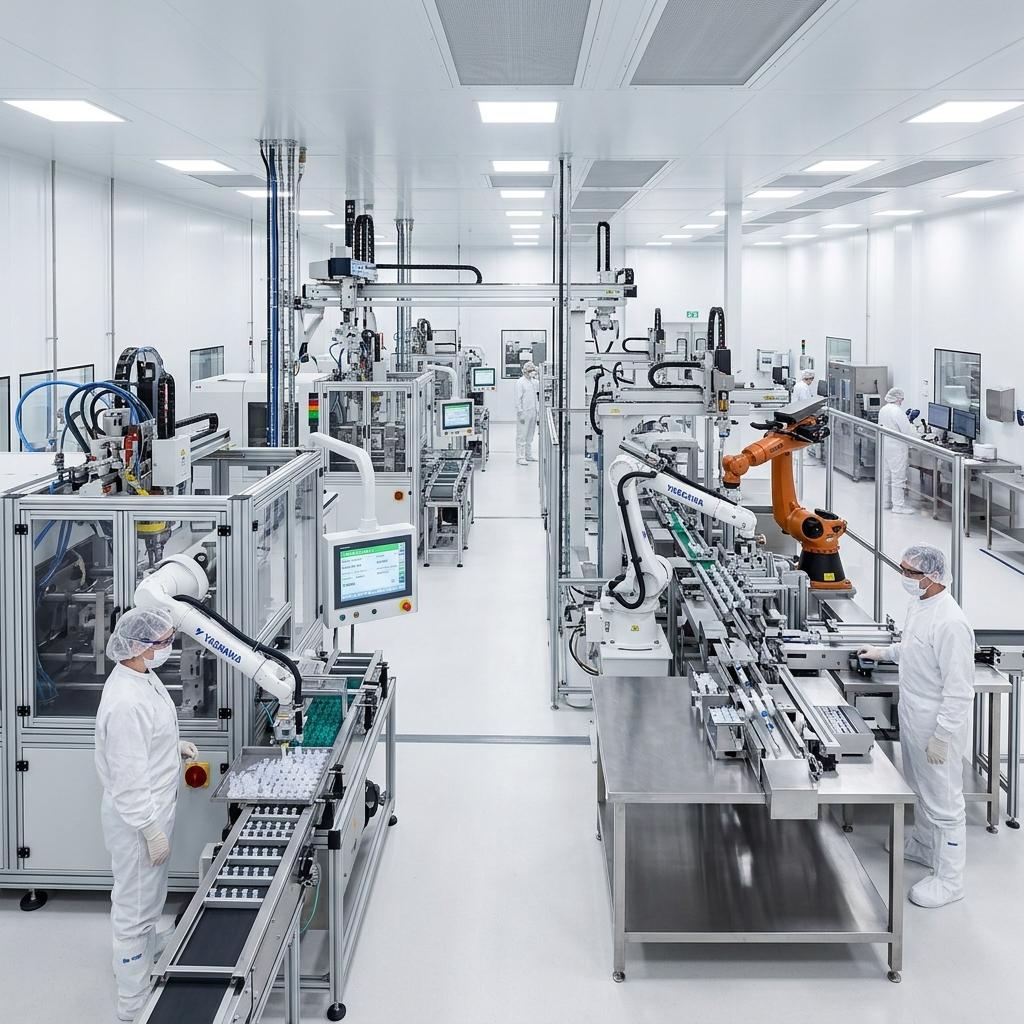

In the mid-twentieth century, Ireland was a nation defined largely by its impossibly green pastures, deep agricultural roots, and a tragic legacy of mass emigration. Rural counties were bleeding young talent to the United States and the UK, driven out by a lack of domestic employment opportunities. Today, those same rolling green hills are dotted with sprawling, state-of-the-art biomanufacturing campuses.
Currently, Ireland stands as the world’s third-largest exporter of pharmaceuticals. Nineteen of the world’s top twenty pharmaceutical companies maintain a significant presence in the country, and the sector accounts for roughly 20% of the national GDP. How did a nation of 5.3 million people execute such a dramatic, structural pivot from farming to pharma?
The Catalyst: A Deliberate Pivot in Policy
The transformation did not happen by accident. As recently as the 1960s, Ireland recognized that an agrarian economy could not sustainably support its population or stem the tide of brain drain. The government made a highly coordinated, concerted effort to attract foreign investment, fundamentally altering the nation's trajectory.
The tip of the spear was IDA Ireland, the government’s foreign investment agency. The strategy was audacious but simple: aggressively lower corporate tax rates to attract multinational corporations, while simultaneously investing heavily in the domestic education system to provide a highly skilled, English-speaking workforce.
Building the Infrastructure of Knowledge
Tax breaks alone are not enough to sustain a highly technical industry. Realizing this, Ireland revolutionized its educational system. Today, the Irish workforce boasts a 99% literacy rate, and notably, more than half of Irish workers hold advanced degrees. The state poured funding into STEM (Science, Technology, Engineering, and Mathematics) education, ensuring that when multinational corporations broke ground on new facilities, there was a ready-made pipeline of local scientists, engineers, and quality assurance specialists waiting to staff them.
This commitment to education effectively reversed the nation's historical "brain drain." In recent years, Ireland has experienced net-positive migration, drawing advanced life science degree holders from across the globe, attracted by the immense density of high-paying roles in hubs like Dublin, Cork, and Sligo.
From Small Molecules to Biologic Powerhouses
The early decades of Ireland’s pharma boom were characterized by the manufacturing of "small molecule" drugs-traditional chemically synthesized medicines. Facilities sprang up across the island, providing thousands of stable, highly-paid jobs that replaced the grueling agricultural labor of previous generations.

The transition from traditional apothecaries and pharmacies to industrial-scale manufacturing marked a turning point in Irish medicine.
However, the true turning point occurred over the last 25 years. As the global pharmaceutical industry shifted its focus toward complex biologics and vaccines, Ireland aggressively adapted. According to IDA Ireland, the sector has attracted over €15 billion in biopharma foreign direct investment in just the last decade alone.

Early mass-produced medicines paved the way for the complex therapies now manufactured globally from Ireland.
Today, the landscape is defined by massive scale and cutting-edge technology:
- AbbVie maintains a massive facility in Westport, County Mayo, responsible for the global origins manufacturing of Botox.
- Eli Lilly recently invested over $1 billion in a new biologics facility in Limerick.
- Pfizer’s Grange Castle site in Dublin stands as one of the largest biotech and mRNA manufacturing plants in the world.
- Gilead manufactures a third of its global output, including critical HIV therapies like Truvada, out of its Cork facility.
A New Heritage
The agrarian history of Ireland is still visible, sitting comfortably alongside the modernity of steel and glass laboratories. Farms that have been in families for generations now share a horizon with facilities producing life-saving oncology drugs and weight-loss therapeutics.
Ireland has successfully authored a new chapter in its heritage. It remains a nation known globally for its culture and hospitality, but it is now equally recognized as a highly resilient, deeply essential node in the global health ecosystem. Through strategic vision, educational investment, and a willingness to embrace the future, Ireland has secured its place as a life sciences titan.
The Role of NIBRT and the Bioprocess Training Model
A key driver of Ireland's transition to biologics manufacturing was the establishment of the National Institute for Bioprocessing Research and Training (NIBRT) in Dublin. Built as a partnership between the state (via IDA Ireland) and leading universities, NIBRT features a pilot-scale biopharma manufacturing facility where students and industry professionals can train in a realistic, GxP-compliant environment. This training model has been replicated globally and has helped secure Ireland's reputation as a premier destination for biotechnology investments.
Frequently Asked Questions
When did Ireland's transition to pharmaceutical manufacturing begin?
The transition began in the 1960s and 1970s, as the government introduced low corporation taxes and industrial grants to attract foreign manufacturers to set up chemical plants.
What is NIBRT and why was it established?
The National Institute for Bioprocessing Research and Training (NIBRT) is a global center of excellence established to provide training and research programs for biologics manufacturing.
How has the sector evolved from generic API synthesis to advanced biologics?
Irish manufacturing has transitioned from chemical synthesis of active ingredients to complex cell culture, gene editing, and aseptic fill-finish operations for advanced biologics.