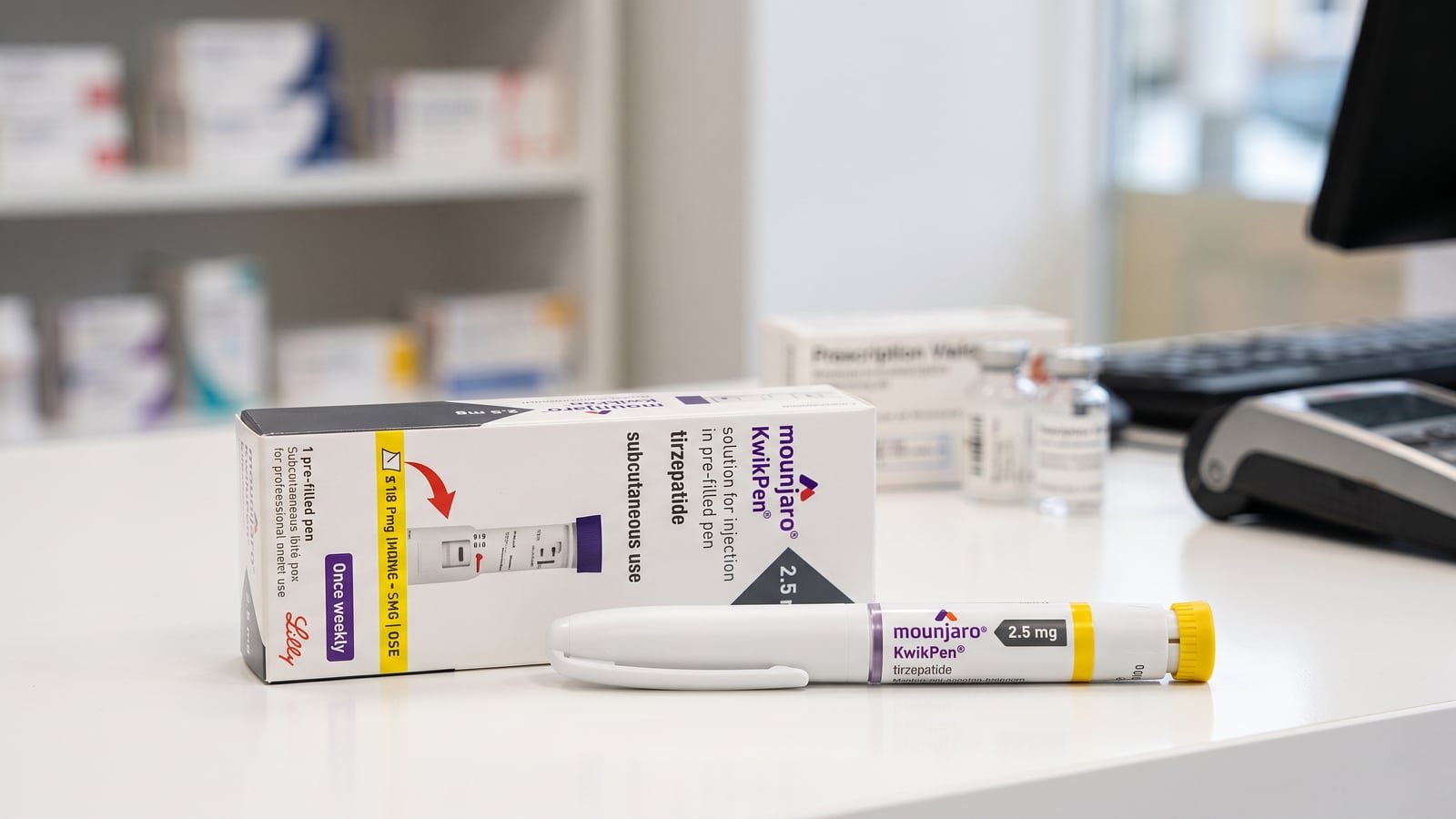

In pharmaceutical manufacturing, it is practically impossible to destructively test every single vial, tablet, or device in a commercial batch. Therefore, Quality Control (QC) teams rely on statistical sampling plans-most commonly derived from ANSI/ASQ Z1.4 or ISO 2859-1.
To design a scientifically sound sampling plan, quality engineers must balance the risk to the patient against the cost to the manufacturer. This balance is defined by two critical metrics: AQL (Acceptable Quality Limit) and RQL (Rejectable Quality Limit).
Acceptable Quality Limit (AQL)
The AQL is the manufacturer's risk metric. It represents the maximum percentage of defective units in a batch that is considered acceptable as a process average.
If a batch is produced at or below the AQL defect rate, the sampling plan will almost certainly accept it. The risk of accidentally rejecting a "good" batch (one that meets the AQL) is known as the Producer's Risk (Alpha, α), usually set at 5%.
In simple terms: AQL is the level of quality you expect your manufacturing process to routinely deliver.
Rejectable Quality Limit (RQL / LTPD)
The RQL-often referred to as LTPD (Lot Tolerance Percent Defective)-is the consumer's risk metric. It represents the level of defects in a batch that is completely unacceptable and must be rejected to protect the patient.
If a batch degrades to the RQL defect rate, the sampling plan must catch it and reject it. The risk of accidentally accepting a "bad" batch (one that has reached the RQL) is known as the Consumer's Risk (Beta, β), usually set at 10%.
In simple terms: RQL is the disaster threshold. It is the defect rate you absolutely do not want reaching the market.
Designing the Sampling Plan
You cannot look at AQL in isolation. If a company only defines an AQL of 1.0% but ignores the RQL, their sampling plan might accidentally accept batches with 10% or 15% defects due to sample size variability.
A robust sampling plan requires defining both points on the Operating Characteristic (OC) curve:
- High Criticality (e.g., Sterile Vials): You want an extremely tight curve. AQL might be 0.1%, and RQL might be 1.0%. Because the gap between AQL and RQL is so small, the required sample size will be very large to ensure statistical confidence.
- Low Criticality (e.g., Packaging Cartons): You can accept a looser curve. AQL might be 2.5%, and RQL might be 10%. Because the gap is wide, a much smaller sample size is mathematically acceptable.
By understanding the dynamic tension between AQL and RQL, pharmaceutical quality teams can scientifically justify their sample sizes to regulatory bodies, proving they are protecting patients without unnecessarily wasting product.
Statistical Differences in Quality Acceptance Limits
In pharmaceutical and medical device manufacturing, choosing the right sampling plan is critical to ensure product quality and meet regulatory standards. Two key statistical parameters used to define sampling plans are the Acceptable Quality Limit (AQL) and the Rejectable Quality Limit (RQL)-also known as Limiting Quality (LQ). AQL represents the maximum percentage of non-conforming units that is considered acceptable as a process average. It represents the producer's risk (Type I error), indicating the probability of rejecting a good batch.
RQL represents the boundary of unacceptable quality that the consumer wants to reject. It represents the consumer's risk (Type II error), indicating the probability of accepting a bad batch (typically set at a 10% consumer risk level). When designing a sampling plan (such as ANSI/ASQ Z1.4), quality engineers must balance AQL and RQL to ensure that the sample size is statistically sufficient to detect defects without creating excessive inspection costs.
Frequently Asked Questions
What does AQL stand for in Quality Control?
AQL stands for Acceptable Quality Limit. It is the worst-case quality level that is still considered acceptable for a batch to pass inspection.
What is the producer's risk in statistical sampling?
The producer's risk (Type I error, alpha) is the probability that a batch of acceptable quality will be rejected by the sampling plan due to random sample variation.
How do AQL and RQL work together in validation?
Together, they define the Operating Characteristic (OC) curve of a sampling plan, showing the probability of batch acceptance at various defect rates, allowing quality teams to select sample sizes that protect both the manufacturer and the patient.
Frequently Asked Questions
What does AQL stand for in Quality Control?
AQL stands for Acceptable Quality Limit. It is the worst-case quality level that is still considered acceptable for a batch to pass inspection.
What is the producer's risk in statistical sampling?
The producer's risk (Type I error, alpha) is the probability that a batch of acceptable quality will be rejected by the sampling plan due to random sample variation.
How do AQL and RQL work together in validation?
Together, they define the Operating Characteristic (OC) curve of a sampling plan, showing the probability of batch acceptance at various defect rates, allowing quality teams to select sample sizes that protect both the manufacturer and the patient.
Frequently Asked Questions
What does AQL stand for in Quality Control?
AQL stands for Acceptable Quality Limit. It is the worst-case quality level that is still considered acceptable for a batch to pass inspection.
What is the producer's risk in statistical sampling?
The producer's risk (Type I error, alpha) is the probability that a batch of acceptable quality will be rejected by the sampling plan due to random sample variation.
How do AQL and RQL work together in validation?
Together, they define the Operating Characteristic (OC) curve of a sampling plan, showing the probability of batch acceptance at various defect rates, allowing quality teams to select sample sizes that protect both the manufacturer and the patient.