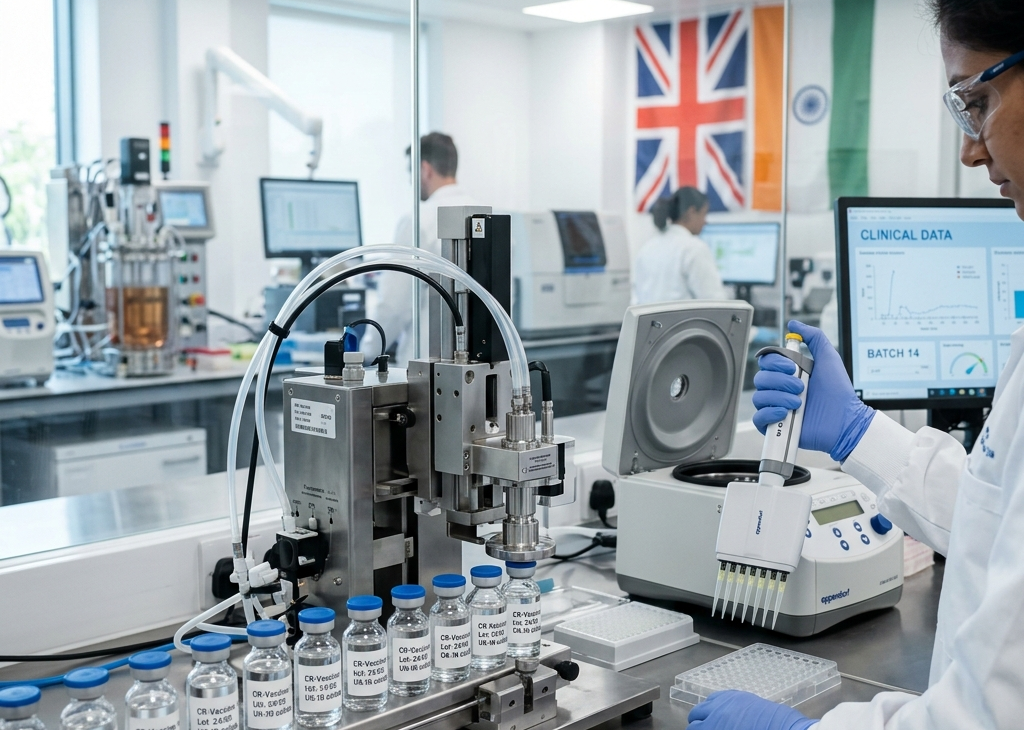

The UK government, in partnership with private life science leaders, has officially launched a major £85 million research and innovation package aimed at transforming obesity care. A dozen cutting-edge projects will receive funding to benefit thousands of patients across the UK, exploring how advanced weight-loss therapeutics, digital technologies, and community-based clinical pathways can work in unison to tackle one of the country's most pressing healthcare crises.
The initiative, spearheaded by the National Institute for Health and Care Research (NIHR) and the Department of Health and Social Care (DHSC), represents a coordinated attempt to evaluate GLP-1 receptor agonists - such as semaglutide (Wegovy) and tirzepatide (Mounjaro) - in real-world settings. By integrating these drugs with digital coaching, behavioral apps, and localized healthcare delivery, the program seeks to build a highly scalable, economically viable model for long-term weight management.
A Strategic Coalition: Public Funding Meets Private Sector Innovation
The £85 million funding pool combines government capital with significant co-investments from leading pharmaceutical and digital health companies. This public-private alliance is designed to accelerate clinical trials and generate robust real-world evidence on the efficacy, cost-effectiveness, and operational feasibility of large-scale obesity interventions.
For the UK, the stakes are exceptionally high. Obesity currently costs the National Health Service (NHS) an estimated £6.5 billion annually, with wider economic impacts - including sickness absence, lost productivity, and disability benefits - stretching to tens of billions of pounds. By investing in preventative healthcare and advanced therapeutics, the government aims to reduce the burden on public hospitals while supporting patients to lead healthier, more productive lives.
The 12 Pioneering Projects: A Dual-Track Focus on Tech and Pharma
The dozen projects selected for funding focus on two core dimensions of modern obesity care: clinical optimization of weight-loss drugs and the deployment of digital support systems. Key areas of the research include:
- Community Pharmacy GLP-1 Pathways: Several trials will evaluate the feasibility of prescribing and monitoring GLP-1 medications in community settings and local pharmacies, reducing the need for patients to visit specialist hospital clinics.
- Digital Weight-Management Integrations: Assessing how telehealth coaching, AI-driven tracking apps, and virtual support groups can prevent weight regain once patients taper off pharmaceutical treatments.
- Socio-Economic Outcomes Analysis: Specialized studies tracking whether access to next-generation weight-loss drugs helps long-term unemployed individuals return to active work, addressing structural labor shortages in the UK.
- Personalized Genomic Delivery: Projects exploring whether genetic markers can predict a patient's response to specific GLP-1 therapies, allowing clinicians to tailor dosages and prevent adverse side effects.
Testing GLP-1 Agonists Beyond the Clinic
While the clinical efficacy of GLP-1 agonists in controlled trials is well-established, their long-term impact on public health systems depends heavily on how they are administered. The UK Obesity Mission will focus heavily on real-world adherence and behavioral modification.
Clinicians agree that weight-loss medications are highly effective during the active treatment phase, but many patients experience rapid weight regain after discontinuing therapy. The selected UK projects aim to solve this "rebound effect" by combining drug prescriptions with mandatory behavioral coaching and digital tracking tools, establishing a sustainable transition plan for patients ending their pharmaceutical regimen.
Broader European and Irish Implications
The outcomes of the UK's £85 million Obesity Mission will be watched closely by regulatory bodies and health insurers across Europe, including Ireland's Health Products Regulatory Authority (HPRA) and the Health Service Executive (HSE). Ireland, as a major manufacturing hub for global biopharma, plays a critical role in the supply chain for these therapies.
Irish manufacturing sites, including major facilities in Limerick, Cork, and Dublin, are actively expanding their production lines for sterile fill-finish technology to meet the soaring global demand for GLP-1 therapies. The clinical data generated by the UK trials will help shape future guidelines for prescribing these drugs in Ireland and the wider EU, particularly regarding public funding and reimbursement criteria.
A Model for Preventative Public Health
By investing in the intersection of digital health and advanced pharmacology, the UK government is signaling a shift toward proactive, preventative medicine. The success of these 12 pioneering projects could redefine how chronic metabolic conditions are managed globally, moving away from expensive hospital-based acute care toward continuous, localized, and digitally enabled support.
Thousands of patients are set to enter these clinical trials over the coming months. The results will provide the global medical community with definitive answers on how to scale obesity care safely, ethically, and cost-effectively for the decade ahead.