
Plant-Derived Cannabinoid APIs: The Future of Sustainable Pharmaceutical Innovation
A Quiet Revolution in Modern Pharmacology
Walk into almost any pharmaceutical innovation forum today and you’ll hear a phrase that barely existed a decade ago cannabinoid APIs. Once confined to fringe research, these plant-based molecules are now taking centre stage in regulated drug development.

Pharmaceutical-grade cannabinoids such as dronabinol (Δ⁹-tetrahydrocannabinol, or THC) are no longer sourced from improvised extraction labs. They are produced in EU GMP facilities, purified to rigorous quality standards, and distributed to licensed pharmacists for compounding into individualized medicines.
Analysts project that the plant based API market will surpass USD 52 billion by 2034. The driving force behind that growth is clear : patients and regulators alike are demanding therapies that combine pharmacological precision with sustainability.
Why Plant-Derived Cannabinoids Matter
The therapeutic promise of cannabinoids lies in their ability to interact with the body’s endocannabinoid system a network of receptors that influences pain, mood, appetite, and immune response. Among the best-known molecules are THC and CBD, but over a hundred other phytocannabinoids have been identified, many with unique pharmacological profiles still under study.
Unlike crude cannabis extracts, purified cannabinoids offer dose control, reproducibility, and defined safety margins. Dronabinol, for instance, is approved for managing chemotherapy-induced nausea, AIDS-related anorexia, and certain chronic pain conditions. Its value lies not just in its origin but in its pharmaceutical consistency each batch is chemically identical and fully traceable.
From Greenhouse to GMP Cleanroom
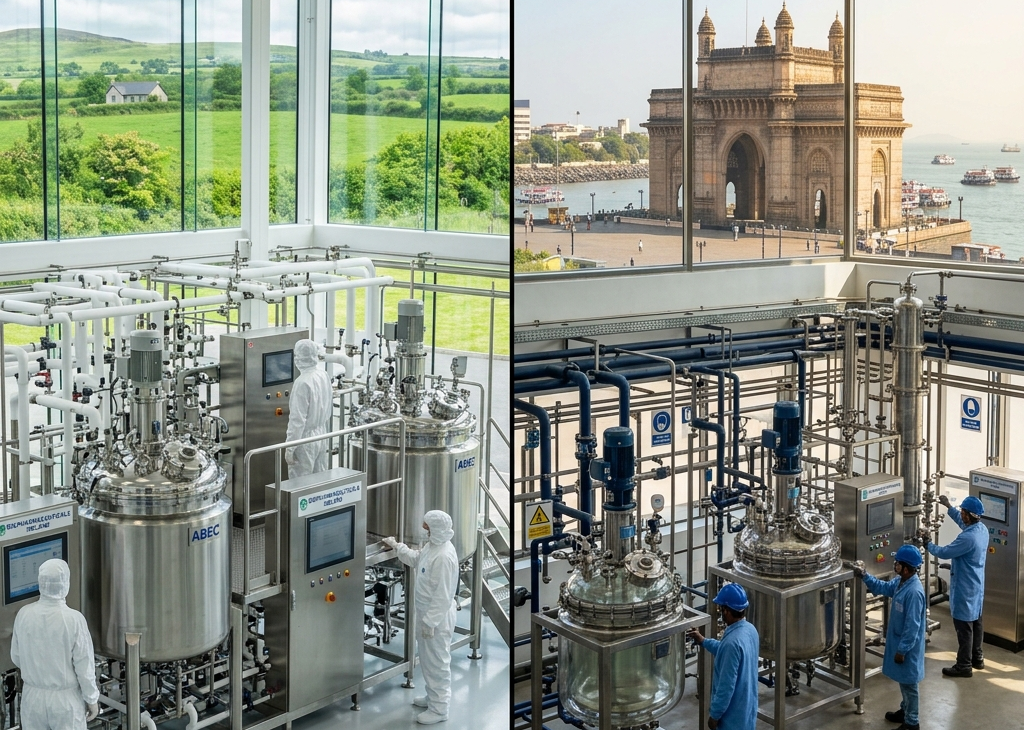
Turning a complex plant metabolite into a certified drug ingredient is no simple task. Manufacturers start with genetically stable cannabis varieties cultivated under Good Agricultural and Collection Practice (GACP). Once harvested, the biomass is dried, milled, and often decarboxylated to activate the cannabinoids.
Extraction is typically performed using supercritical CO₂ or ethanol, balancing efficiency and solvent safety. The crude extract then moves through a series of purification steps liquid partitioning, chromatographic separation, crystallization, and vacuum distillation each designed to remove lipids, waxes, and chlorophyll.
The challenge, however, lies in purity. Cannabinoids have nearly identical molecular weights and polarities, making them notoriously difficult to separate. Continuous simulated-moving-bed chromatography, a method that recycles solvents while isolating target compounds, has shown promise in achieving > 99 % purity, though scaling remains complex.
The Science of Certainty: Analytical Precision
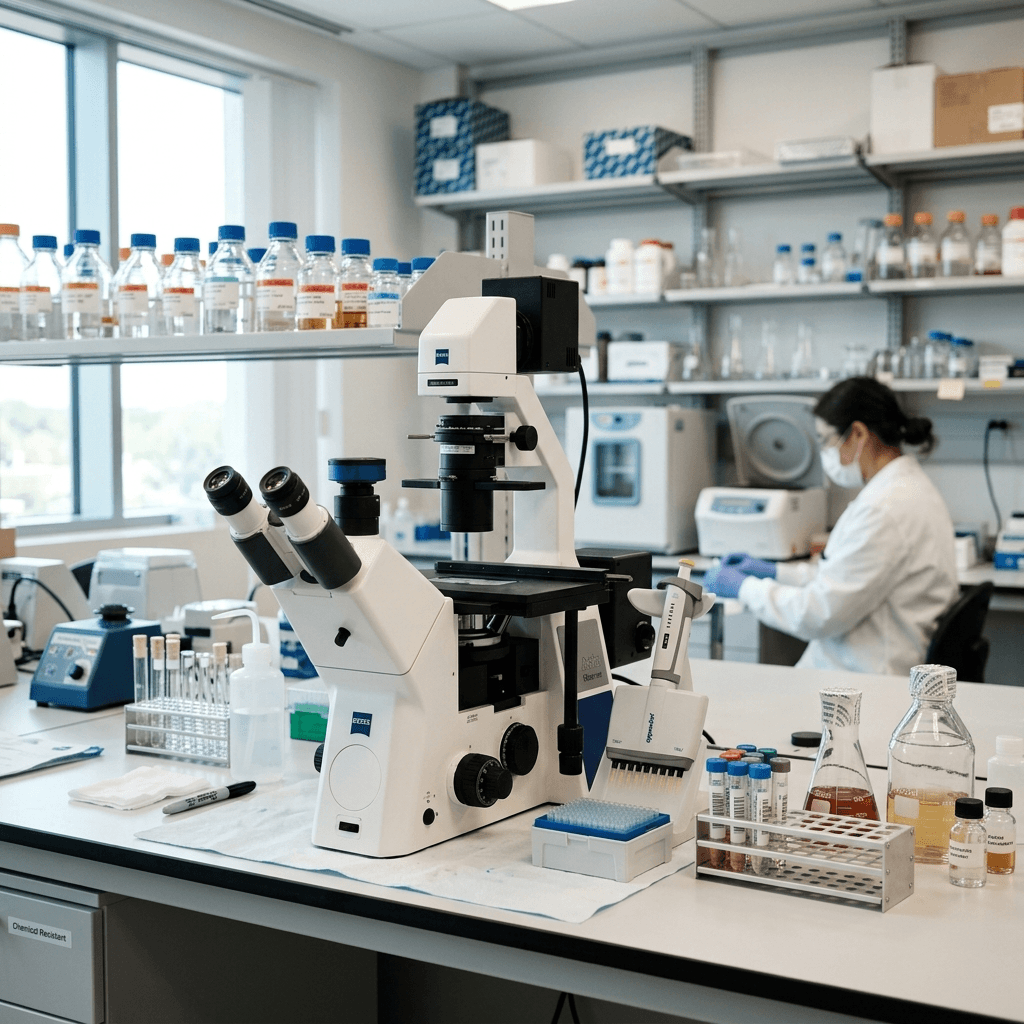
Every batch of a cannabinoid API must undergo full analytical characterization. Regulators expect validated methods for identity, potency, impurities, heavy metals, microbial contamination, and residual solvents.
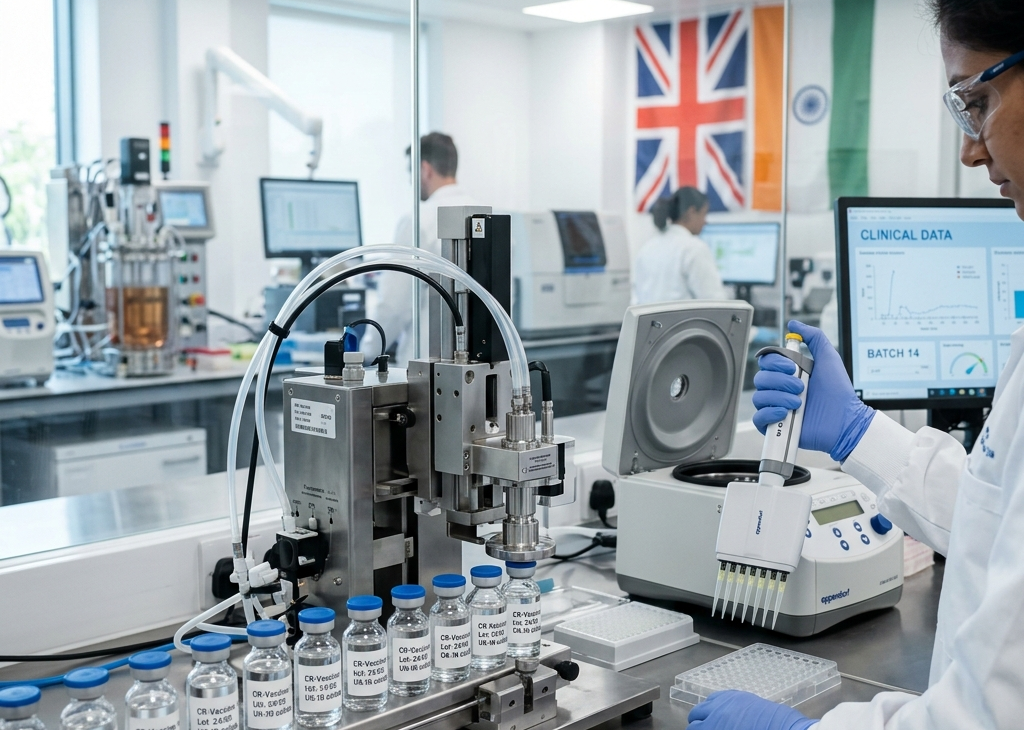
Most laboratories rely on HPLC UV or LC MS systems, while quantitative NMR and capillary electrophoresis are emerging for structural verification and chiral analysis . These techniques ensure that what reaches the pharmacist’s bench is not an approximation but a precisely defined molecule the very foundation of pharmaceutical credibility.
Navigating a Patchwork of Regulation
Despite scientific progress, the legal framework surrounding cannabinoids remains fragmented. In many jurisdictions, THC and related compounds are still listed under controlled-substance schedules, demanding special licences, secure storage, and detailed audit trails.
Europe is slowly evolving. The European Pharmacopoeia Commission (2024) has initiated monographs for purified cannabinoids, a step toward standardization. At the same time, national agencies are exploring API-specific regulatory routes, separating pharmaceutical-grade materials from herbal or nutraceutical products.
Even so, fewer than 20 percent of known cannabinoids have been tested in controlled pharmacological studies. Bridging that gap between research and regulation remains one of the field’s biggest challenges.
Economics, Sustainability, and the Future of Manufacturing
Plant-derived APIs appeal not only to pharmacologists but also to sustainability advocates. Compared with petrochemical synthesis, controlled cultivation and solvent-recycling extraction can dramatically cut carbon emissions.
Yet the economics are delicate. Producing one kilogram of pure dronabinol can require hundreds of kilograms of raw biomass. That reality is driving interest in biosynthetic approaches engineering yeast or bacteria to produce cannabinoids directly from sugar feedstocks. These “microbial cell factories” promise the same molecular authenticity without the agricultural footprint.
Where Innovation Is Heading
Three technological directions are shaping the next decade of cannabinoid pharmaceuticals:
- Process Intensification - continuous extraction and purification systems designed for energy efficiency and scalability.
- Digital Analytics and AI - predictive modelling to anticipate impurity formation and optimise chromatographic separations in real time.
- Rare Cannabinoids - focus on under-researched molecules like CBG and THCV, which may offer therapeutic effects distinct from THC or CBD and, crucially, stronger intellectual-property positions.
Why I Became Deeply Interested in Plant-Derived Cannabinoid APIs
My fascination with plant based pharmaceuticals began during my postgraduate research in Ireland, where I explored how digital transformation intersects with life-science innovation. Among the companies that truly stood out was Dunbar Pharma , based in Monksland, County Westmeath a pioneer in developing EU GMP certified, plant-derived cannabinoid active pharmaceutical ingredients (APIs) for regulated medical use.
What drew me to Dunbar was its founding philosophy. Instead of relying on synthetic replication, the company focuses on producing pharmaceutical-grade dronabinol and related cannabinoids extracted directly from natural plant material. This approach integrates green chemistry, regulatory transparency, and scientific precision, capturing what I believe will define the next era of medicine: sustainability anchored in data-driven quality.
Dunbar was founded by Leah Fletcher , a biotech entrepreneur known for her work at the Arbutus Innovation Centre and her botanical brand deDanú, alongside James DeMello, CPA, CA Mello, CPA CA, the company’s Co-Founder and Chief Financial Officer. Together, Fletcher and DeMello have positioned Dunbar as one of Ireland’s most progressive life science enterprises, demonstrating that environmental responsibility and pharmaceutical rigor can coexist within the same production model.
Around the same time, I came across another leader whose story mirrored this commitment to responsible cannabinoid development Michael Perman , the Founder and CEO of Forbidden Harvest in Western Australia. Perman established the company in 2024 with his wife, drawing on nearly a decade of hands-on experience in the cannabis sector. Educated at Oaksterdam University, he brings a practical yet forward-thinking perspective to cultivation, compliance, and patient access. His mission is clear: to ensure that Australia’s medical cannabis ecosystem remains ethical, locally driven, and sustainable.
Another name that stands out in this evolving global field is Sharon Bentley , Founder and Managing Director of MCA . Based in Sydney, Bentley combines entrepreneurial drive with advocacy for safe, evidence-based cannabis use. Through her work with the Entrepreneurs’ Organization, she has championed regulatory progress and professional education for healthcare providers, positioning Australia as a key hub for medical cannabis innovation in the Asia-Pacific region.
In India, Vikramm Mitra , Co-Founder and Managing Director of Delta Botanicals and Research Private Limited ., has been instrumental in bridging traditional phytotherapy and modern biopharmaceutical R&D. A medical cannabis expert with a focus on strain innovation, regulatory advisory, and formulation science, Mitra’s work highlights how countries with deep botanical heritage can transition into global phytopharmaceutical leadership. His insights on cannabis R&D and hemp-based APIs are helping to reshape India’s presence in the global medicinal plant market.
Collectively, the work of Fletcher, DeMello, Perman, Bentley, and Mitra paints a global picture of an industry that transcends borders one defined by scientific accountability, patient focus, and environmental responsibility. Their leadership continues to inspire my professional journey in the life-science sector and reaffirms why plant-derived cannabinoid APIs represent not just an innovation, but a moral evolution in how we produce medicine.
Conclusion: A Botanical Renaissance in Drug Development
Plant-derived cannabinoid APIs symbolize a larger shift in how medicine views nature. They represent a move away from broad-spectrum extracts toward precisely defined, sustainable molecules that can be integrated into modern pharmacotherapy.
As pharmaceutical companies search for greener chemistries and more patient-centric therapies, cannabinoids occupy a rare intersection scientifically intricate, ethically debated, yet undeniably transformative. Whether cultivated in a greenhouse or fermented in a bioreactor, they are rewriting what it means for a plant to become a medicine.